

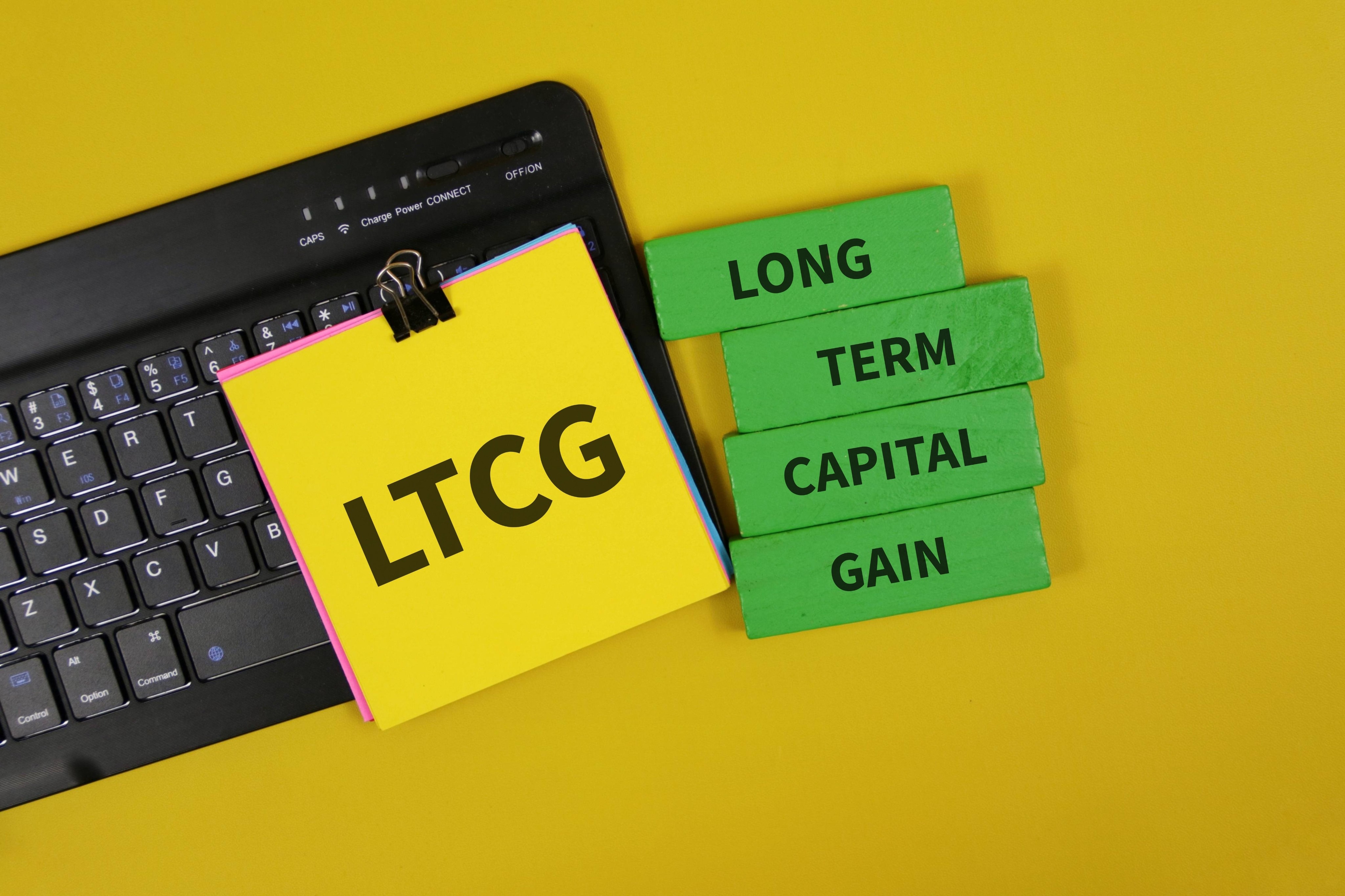
Property has long been regarded as a reliable avenue for wealth creation in India. Whether acquired for personal use or investment purposes, real estate often delivers significant appreciation over time. However, when a property is sold, the profit arising from the transaction may attract tax.
For investors planning a sale, awareness of the long term capital gains tax on property sale is essential. This guide covers the key aspects of LTCG tax property India, including tax rates, calculation methods, exemptions, reinvestment options, and compliance requirements applicable in 2026.
Capital gains arise when a capital asset is transferred for a value higher than its acquisition cost and related expenses. Under Section 45 of the Income-tax Act, 1961, profits or gains arising from the transfer of a capital asset are generally taxable in the year of transfer.
The gain is computed after deducting the cost of acquisition, cost of improvement, transfer-related expenses, and eligible exemptions available under the Act. The resulting gain is classified as either short-term or long-term depending on the holding period of the asset.
For land and buildings, the holding period determines the nature of the gain. A property held for more than 24 months before its transfer is generally treated as a long-term capital asset. Consequently, the profit arising from its sale becomes subject to long term capital gains tax on property sale provisions.
This classification is important because long-term gains may qualify for concessional tax rates and exemptions that are unavailable for short-term gains.
The taxation of long-term capital gains on property has undergone notable changes in recent years. Under the current framework, LTCG tax property India is generally levied at 12.5% without indexation benefits.
Resident individuals and Hindu Undivided Families (HUFs) selling land or buildings acquired before 23 July 2024 and transferred on or after that date may choose between 12.5% tax without indexation or 20% tax with indexation, depending on which results in a lower tax liability. Comparing both methods can significantly reduce the overall tax payable.
The computation of capital gains follows a straightforward formula:
Capital Gain = Sale Consideration − Transfer Expenses − Cost of Acquisition − Cost of Improvement
For example, if a property is sold for ₹1.50 crore with transfer expenses of ₹2 lakh, a purchase cost of ₹70 lakh, and improvement expenses of ₹8 lakh, the taxable capital gain would be ₹70 lakh. The final tax liability depends on the applicable tax regime and any exemptions claimed.
Maintaining proper documentation for acquisition and improvement costs can significantly reduce the overall tax burden.
Indexation previously allowed taxpayers to adjust the acquisition cost of a property for inflation, reducing taxable gains on long-held assets.
With the introduction of the 12.5% tax regime without indexation, calculations have become simpler. However, some taxpayers may face higher taxable gains. Eligible resident individuals and HUFs can still compare both methods for qualifying properties acquired before 23 July 2024 and choose the more beneficial option.
The Income-tax Act provides multiple opportunities to reduce long-term capital gains tax through eligible reinvestment options.
Section 54 allows individuals and HUFs selling a residential property to claim an exemption by reinvesting the capital gains in another residential property. The new property must be purchased within one year before or two years after the sale, or constructed within three years after the sale. The exemption is available to the extent of the amount reinvested.
Section 54EC allows long-term capital gains to be invested in specified government-notified bonds within six months of the property sale, subject to a maximum investment of ₹50 lakh and the applicable lock-in period. This option is often preferred by investors who do not intend to purchase another property immediately.
Taxpayers who require additional time for reinvestment can deposit the capital gains in a Capital Gains Account Scheme (CGAS), allowing them to preserve their eligibility for exemptions while complying with statutory timelines.
Apart from capital gains tax, sellers should also be aware of TDS provisions. Where the sale consideration exceeds ₹50 lakh, the buyer is generally required to deduct TDS at 1% under Section 194-IA before making payment to the seller. This amount is adjusted against the seller's final tax liability.
Before completing a transaction, investors should review ownership documents, improvement records, available tax regimes, exemption eligibility, reinvestment timelines, and the estimated long-term capital gains tax liability. Early planning can help maximise returns while ensuring tax compliance.
Guided by decades of experience, Runwal Enterprises follows a structured and transparent process in developing homes built for long-term value. Each project is thoughtfully designed with a focus on planning, construction quality, and liveability.
Explore the ongoing and upcoming developments by Runwal Enterprises to find a home that supports the way people live today.
A property sale generally qualifies as a long-term capital gain when the property has been held for more than 24 months before the date of transfer.
Long-term capital gains on property are generally taxable at 12.5% without indexation. Eligible resident individuals and HUFs may opt for a 20% rate with indexation for qualifying properties acquired before 23 July 2024.
The removal of indexation means that inflation-adjusted acquisition costs may not be available in many cases. This can increase taxable gains, although certain taxpayers may still compare both methods under transitional provisions.
The gain is calculated by deducting acquisition costs, improvement expenses, and transfer-related expenses from the sale consideration. The resulting gain is then taxed according to the applicable LTCG tax property India provisions.
Section 54 and Section 54EC are among the most commonly used provisions for obtaining capital gains exemption on real estate transactions.
Under Section 54, a residential property may be purchased within one year before or two years after the sale, or constructed within three years after the sale. Under Section 54EC, investment in specified bonds must be completed within six months of the transfer.
Where the sale consideration exceeds ₹50 lakh, the buyer is generally required to deduct TDS at 1% under Section 194-IA before making payment to the seller.


























.jpg)
.jpg)
.jpg)
.jpg)
.jpg)