

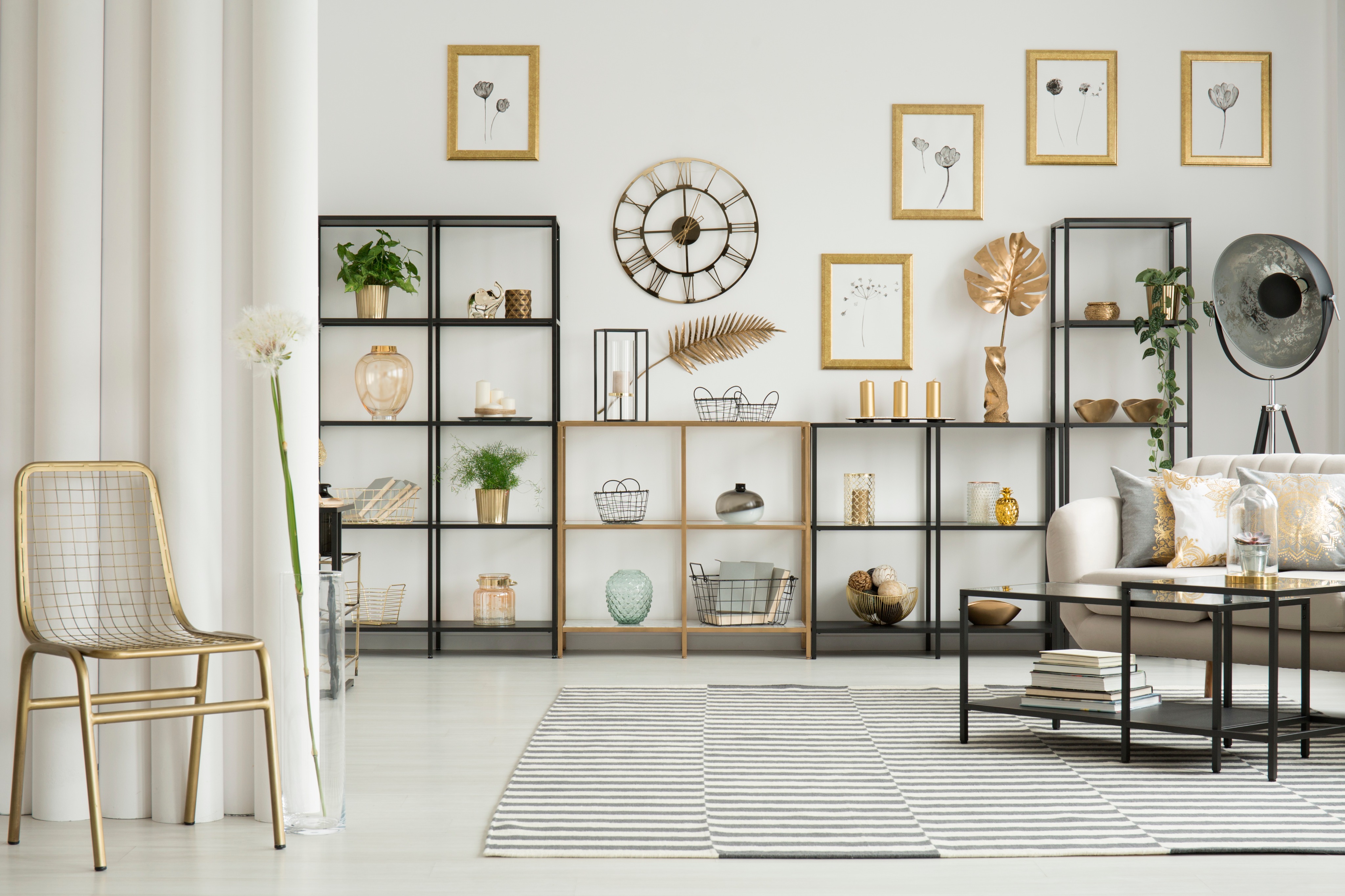
Vastu Shastra is an ancient Indian science of architecture that focuses on creating harmony between living spaces and natural forces. It is based on the idea that direction, layout, light, and spatial arrangement influence how a home feels and functions. Rather than being a rigid set of rules, vastu shastra tips offer a framework to design spaces that feel balanced, comfortable, and aligned with everyday living.
Among various orientations, east-facing homes are widely preferred. The east direction is associated with the rising sun, bringing in natural light and a sense of openness. When planned using the right vastu tips, an east-facing house can support both modern lifestyles and traditional values.
An east-facing house is one where the main entrance opens towards the east. In east-facing home vastu, this direction is linked to clarity, growth, and positivity.
Many homeowners prefer east-facing homes because they receive early morning sunlight, making interiors feel brighter and more inviting. When aligned with practical vastu shastra tips, these homes often offer better airflow, improved functionality, and a more organised layout. These are some of the key benefits of vastu shastra that continue to influence home design choices.
A well-planned east-facing vastu home plan ensures that each space is positioned thoughtfully. The placement of key rooms plays a crucial role in how the home functions.
In east-facing homes, the living room should ideally be located in the north-east or east direction.
Useful vastu tips:
• Allow maximum natural light from the east
• Keep the space open and uncluttered
• Arrange seating so that people face east or north
This placement enhances the benefits of vastu shastra, creating a welcoming and well-lit environment.
The kitchen is best placed in the south-east direction in an east-facing house.
Follow these vastu shastra tips:
• The cooking platform should face east
• Avoid placing the kitchen in the north-east
• Ensure proper ventilation
This aligns with the fire element, making it ideal in an east-facing home vastu layout.
The pooja room should ideally be in the north-east corner of east-facing homes.
Important vastu tips:
• Keep the area clean and calm
• Use light colours
• Ensure idols are placed so prayers are offered facing east
This placement supports peace and aligns with the benefits of vastu shastra.
In an east-facing house floor plan, the master bedroom should be in the south-west direction.
Key vastu shastra tips:
• Sleep with the head facing south or east
• Avoid mirrors facing the bed
• Use subtle tones for interiors
This positioning supports stability and rest in east-facing homes.
For children, the west or north-west direction works well in an east-facing house.
These vastu tips can help:
• Ensure good ventilation
• Place study tables facing east or north
• Avoid cluttered layouts
This contributes to a practical and comfortable east-facing house interior design.
An efficient east-facing house floor plan balances direction with usability. Each space should flow naturally into the next.
Modern layouts often combine open spaces with traditional zoning. A well-designed east-facing vastu home plan integrates vastu shastra tips without compromising on comfort. This approach ensures that the benefits of vastu shastra are experienced in everyday living.
The entrance is one of the most important aspects of east-facing house entrance vastu.
Best practices include:
• Place the entrance in the north-east or centre of the east side
• Avoid the south-east corner
• Keep the entrance well-lit and clutter-free
A well-positioned entrance strengthens the overall east-facing home vastu layout.
Thoughtful east-facing house interior design enhances both functionality and comfort.
Practical vastu shastra tips:
• Use light colours in the east and north zones
• Avoid blocking natural light
• Maintain balance in furniture placement
These small details improve how east-facing homes feel on a daily basis.
The east-facing house elevation sets the tone for the home’s exterior.
Consider these vastu tips:
• Keep the eastern side open and lighter
• Avoid heavy structures blocking sunlight
• Use simple, clean design elements
A balanced east-facing house elevation complements the overall east-facing vastu home plan.
• Follow vastu shastra tips at the planning stage
• Keep the east and north zones open
• Maintain cleanliness and organisation
• Ensure proper ventilation
These enhance the benefits of vastu shastra in east-facing homes.
• Avoid heavy structures in the east
• Do not block the main entrance
• Avoid clutter in the north-east
• Do not ignore layout planning in the east-facing house floor plan
Simple vastu tips can significantly improve how an east-facing house functions.
An east-facing house has its main entrance facing east. In east-facing home vastu, this allows natural morning light into the home.
East-facing homes receive early sunlight, which is associated with energy and positivity. These are key benefits of vastu shastra.
As per east-facing house entrance vastu, the entrance should be in the north-east or central east zone.
The south-east direction is ideal for kitchens in east-facing homes, based on traditional vastu shastra tips.
Yes, many issues can be addressed using practical vastu tips such as adjusting layouts and interiors.
The living room should be placed in the east or north-east as per an east-facing house floor plan.
The benefits of vastu shastra are reflected in better space utilisation, comfort, and a balanced environment.






















.jpg)
.jpg)
.jpg)
.jpg)
.jpg)