
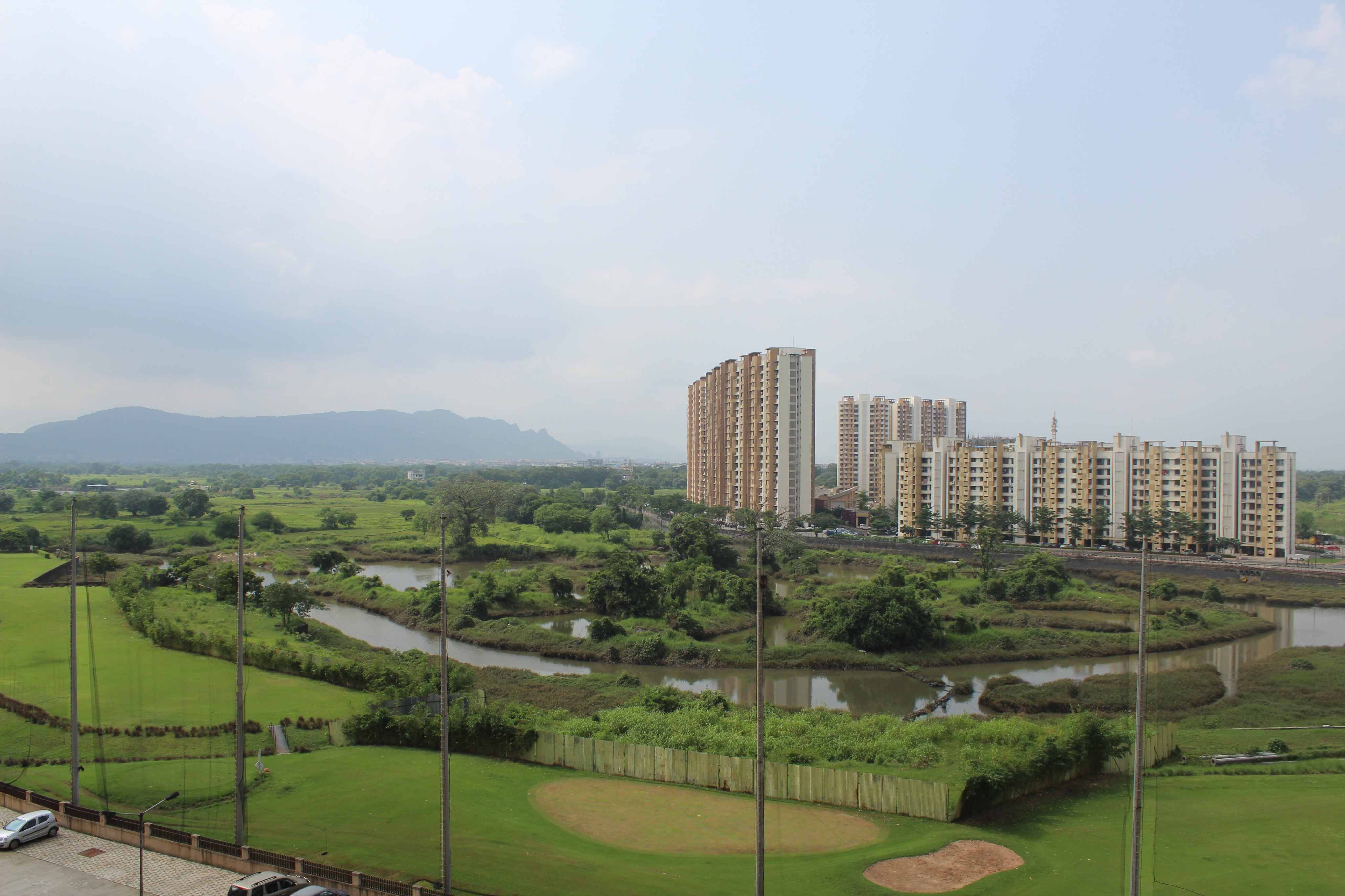
Dombivli has long been recognised as one of the Mumbai Metropolitan Region's most promising residential destinations. Strong rail connectivity, improving infrastructure, and comparatively accessible property prices have attracted both end-users and investors over the years.
However, the conversation around Dombivli real estate investment in 2026 is no longer driven by affordability alone. The Mumbai Metropolitan Region Development Authority's (MMRDA) proposal to develop a large-scale Central Business District (CBD)-style Growth Centre in Kalyan Taluka has introduced a new dimension to the region's growth story.
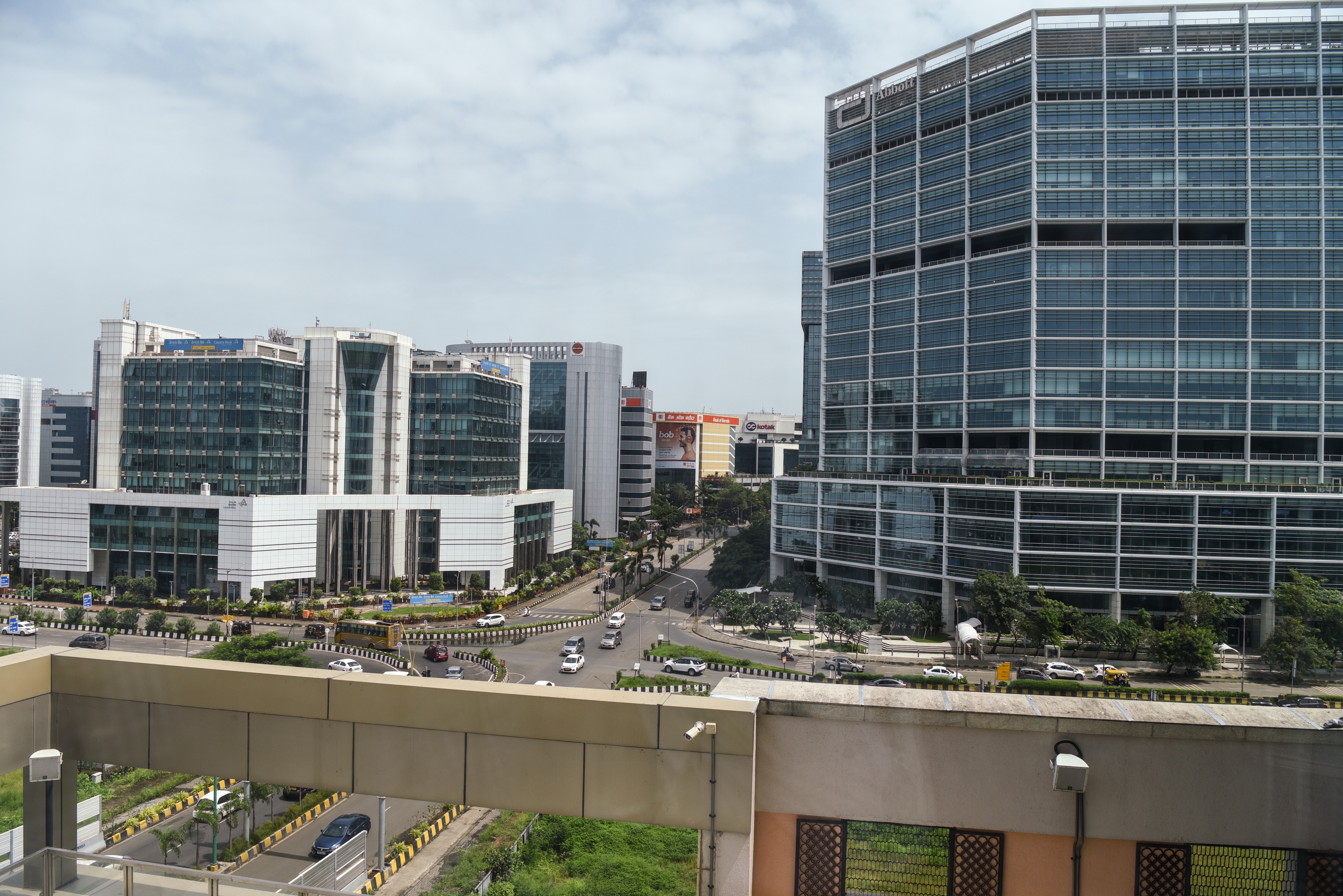
Modelled on the success of Mumbai's Bandra-Kurla Complex (BKC), the proposed CBD is envisioned as a major commercial and employment hub that will accommodate offices, research facilities, educational institutions, housing, and supporting infrastructure. While the proposed business district is not located within Dombivli itself, its proximity places Dombivli among the key residential markets likely to benefit from the resulting economic activity.
Under the Draft Regional Plan for the Mumbai Metropolitan Region, four Growth Centres have been identified to drive decentralised economic development. These Growth Centres are envisioned as integrated urban hubs comprising office spaces, research and development facilities, educational institutions, recreational amenities, housing, and supporting infrastructure.
One of these proposed Growth Centres is planned in Kalyan Taluka. MMRDA has identified approximately 1,089 hectares for development, with the objective of creating a major employment and commercial hub similar in concept to Mumbai's Bandra-Kurla Complex.
The proposed development aims to generate large-scale employment opportunities while strengthening infrastructure and connectivity across Kalyan, Dombivli, Thane, and surrounding areas.
This is one of the key reasons why many investors are asking to invest in Dombivli real estate in 2026.
Historically, locations situated near major employment hubs have witnessed sustained residential demand. Employees working within business districts often prefer housing options that offer convenient access while remaining relatively affordable. Dombivli is well-positioned to benefit from this trend.
As the proposed Growth Centre progresses, the demand for housing from professionals, entrepreneurs, service providers, and supporting industries could increase across the wider region. Since Dombivli already possesses a well-established residential ecosystem, it is likely to emerge as a preferred residential destination for people associated with the new economic hub.
This evolving dynamic strengthens the case for Dombivli real estate investment in 2026, particularly for investors with a long-term outlook.
The significance of the proposed Growth Centre extends beyond commercial development. Large-scale economic hubs typically attract substantial infrastructure investments that improve regional accessibility.
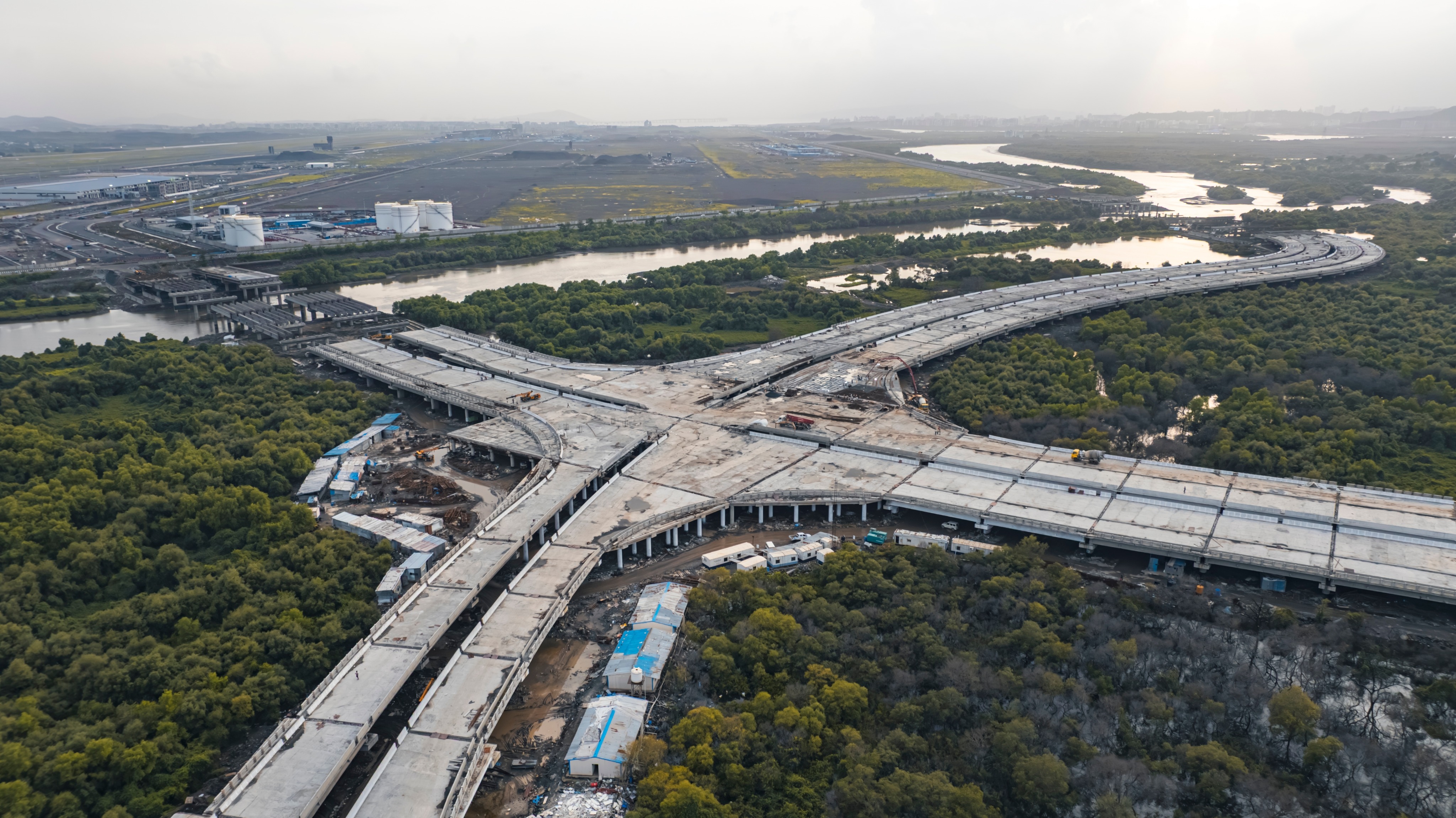
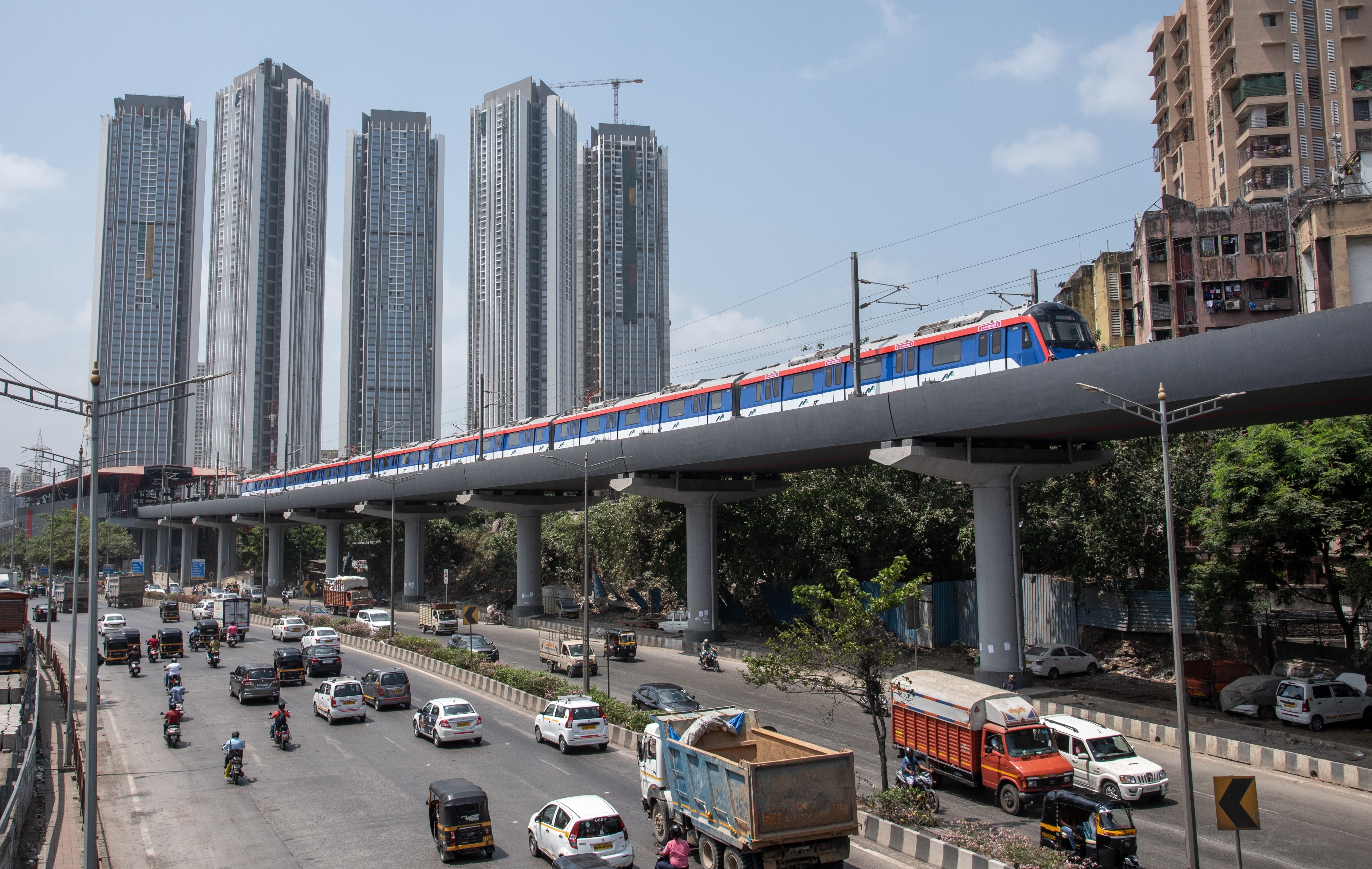
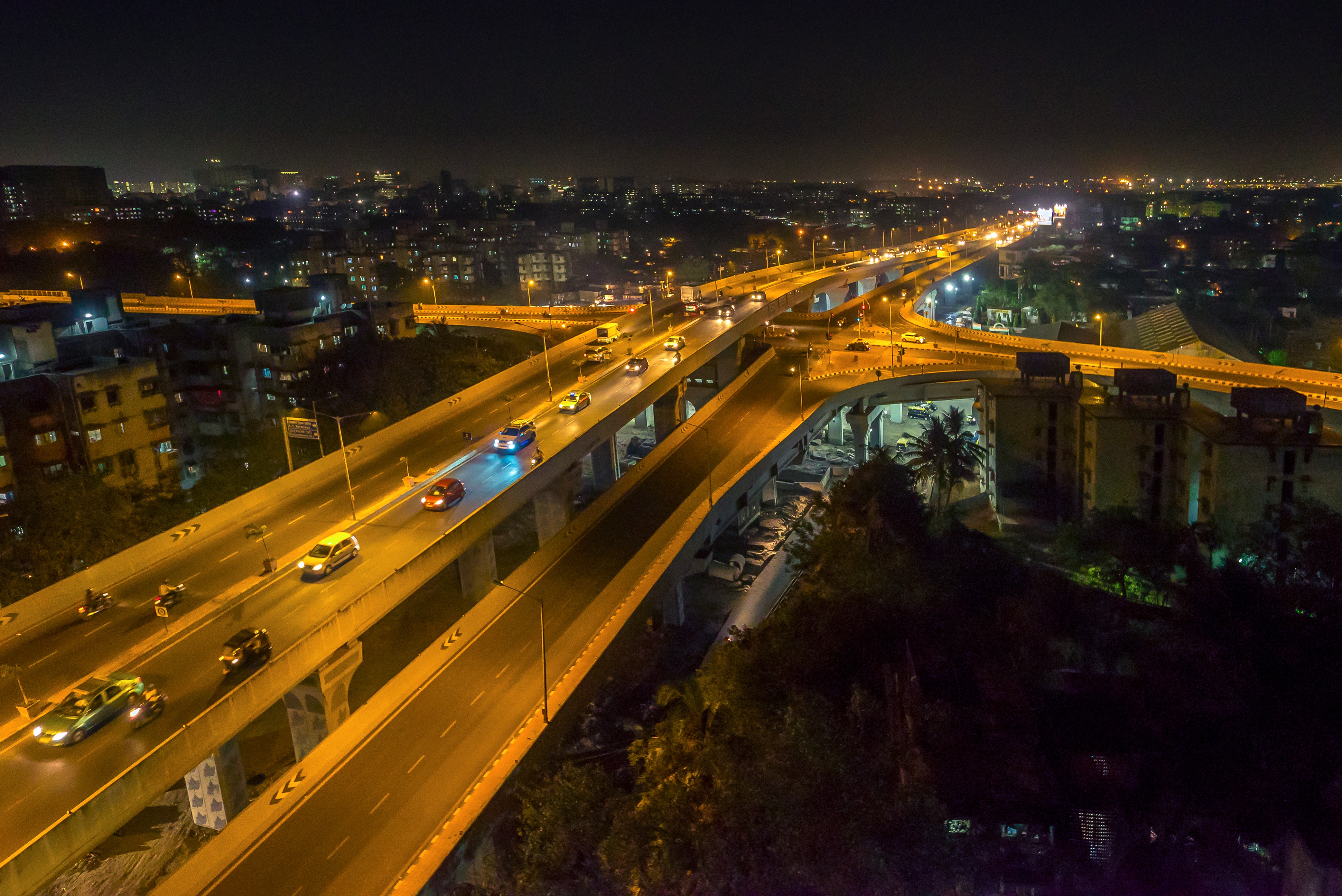
The Kalyan-Dombivli region is already benefiting from enhanced road connectivity, rail network upgrades, and planned metro integration. These projects are expected to improve mobility across the Mumbai Metropolitan Region and strengthen access to major employment corridors.
Additionally, the region's connectivity to the upcoming Navi Mumbai International Airport further enhances its long-term appeal.
Infrastructure improvements often act as a multiplier for real estate demand, making Dombivli real estate investment in 2026 an increasingly attractive proposition.
The market has responded positively to the broader development narrative surrounding the Kalyan-Dombivli region.
Developers continue to expand their presence, launching projects that cater to both end-users and investors. Buyer interest has also remained strong as more people recognise the area's long-term growth potential.
Consequently, Dombivli Central Business District property prices and broader property values in the region have demonstrated steady appreciation. While Dombivli remains more affordable than many established Mumbai markets, the gap has gradually narrowed as infrastructure and development prospects improve.
For investors, this creates an opportunity to enter a market that still offers value while benefiting from future growth drivers.
The proposed Growth Centre is expected to attract office developments, corporate occupiers, educational institutions, research facilities, and supporting businesses.
Such commercial activity often creates demand across multiple real estate segments, including residential housing, retail spaces, hospitality assets, and rental accommodation.
The opportunity is not limited to residential appreciation. The region's long-term potential is closely linked to economic expansion and job creation.
Successful real estate investing often involves identifying locations before their full growth potential becomes evident.
The proposed Growth Centre in Kalyan Taluka represents a significant strategic initiative for the wider region. Although the business district itself is not located in Dombivli, the suburb stands to benefit from its proximity, connectivity, and growing role within the Kalyan-Dombivli urban corridor.
For investors seeking a market supported by infrastructure upgrades, employment generation, and long-term urban development, Dombivli real estate investment in 2026 presents a compelling opportunity. As the region evolves, Dombivli Central Business District property prices and overall real estate values could continue to be influenced by the broader transformation taking place around it.