

A second home is no longer just a lifestyle purchase. For many buyers, it is a strategic investment that can generate rental income, deliver long-term capital appreciation, and offer tax advantages. In Mumbai, where infrastructure continues to reshape residential demand, a well-chosen second property can become a valuable asset.
Before investing, however, it is important to understand the second home investment tax benefits, the tax implications for buying a second property in India, and the second home loan tax deduction available under the Income Tax Act.
Understanding the second home investment tax benefits is essential before purchasing another property.
Under current tax provisions, homeowners can treat up to two houses as self-occupied, provided they meet the prescribed conditions. If your second home remains vacant or is occupied by your family, you generally do not have to pay tax on notional rent.
In addition, home loan borrowers may claim deductions on interest payments under eligible provisions. These second home investment tax benefits help reduce the overall cost of ownership and improve post-tax returns.
The tax implications for buying a second property in India depend primarily on how the property is used.
If your second home qualifies as self-occupied, no deemed rental income is applicable under the current rules for two self-occupied houses.
Investors should also account for stamp duty, registration charges, and future capital gains tax while calculating overall returns. Understanding the tax implications for buying a second property in India helps estimate the actual profitability of the investment.
The second home loan tax deduction under Section 24(b) can reduce your tax liability.
For self-occupied properties, the deduction on home loan interest is capped at ₹2 lakh annually across eligible self-occupied houses. For rented properties, the entire interest paid may be claimed while computing income from house property, subject to applicable tax provisions.
To claim the second home loan tax deduction, enter the interest paid under the "Income from House Property" section while filing your Income Tax Return (ITR) and retain your loan statements as supporting documents.
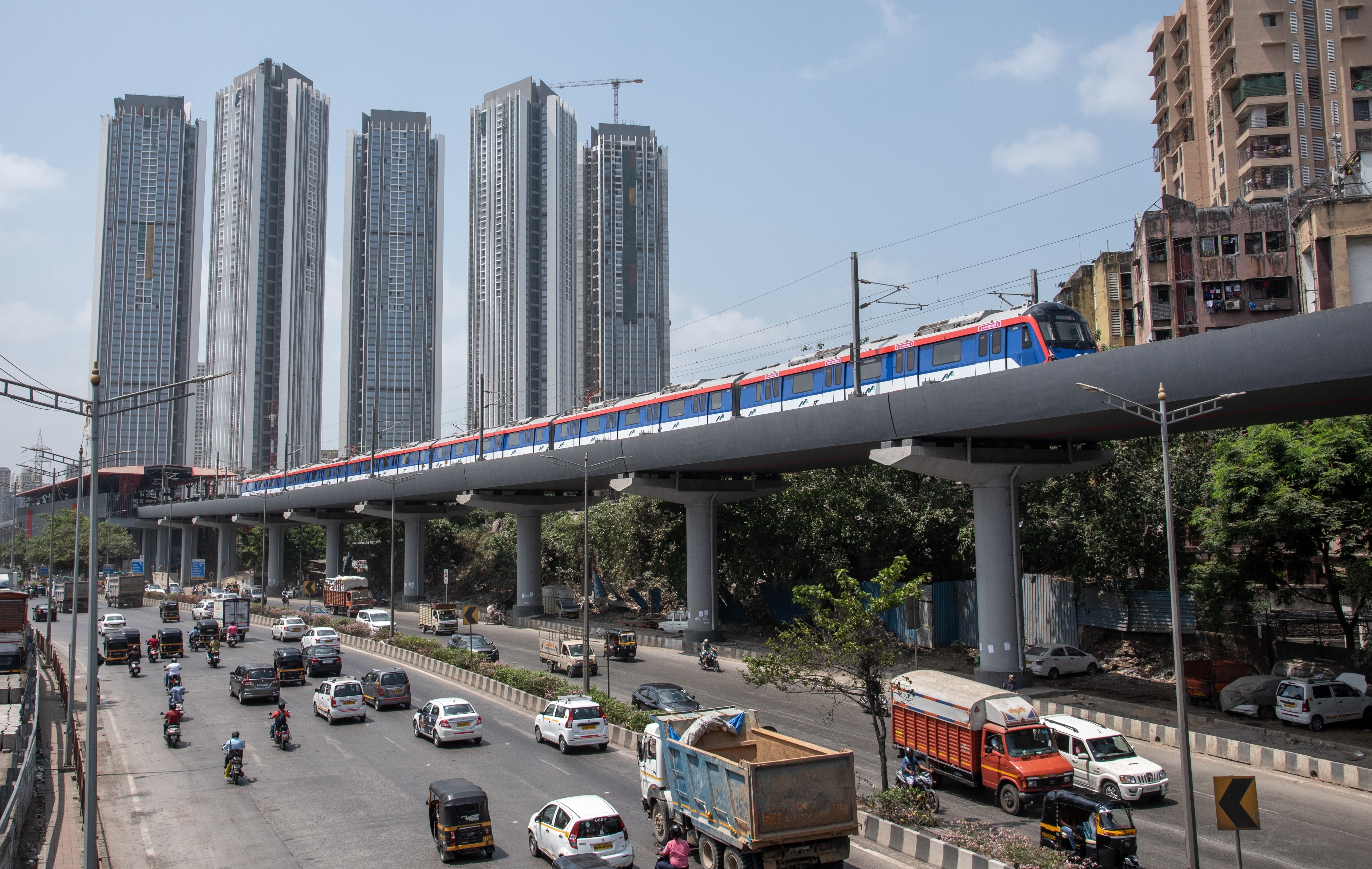
Mumbai remains one of India's strongest real estate markets because of its economic growth, limited land availability, and ongoing infrastructure projects such as Metro expansion, the Coastal Road, and the Mumbai Trans Harbour Link.
A second home can serve multiple purposes:
Choosing the right location and holding the property over the long term can significantly improve overall returns.
The location you choose has the biggest impact on ROI.
Some of Mumbai's strongest investment destinations include:
When comparing locations, evaluate infrastructure, employment hubs, connectivity, and future development rather than current prices alone.
Mumbai has traditionally been a capital appreciation-driven market.
While rental yields are generally moderate, investors often benefit from long-term price appreciation, especially in infrastructure-led growth corridors.
The best-performing investments typically combine: