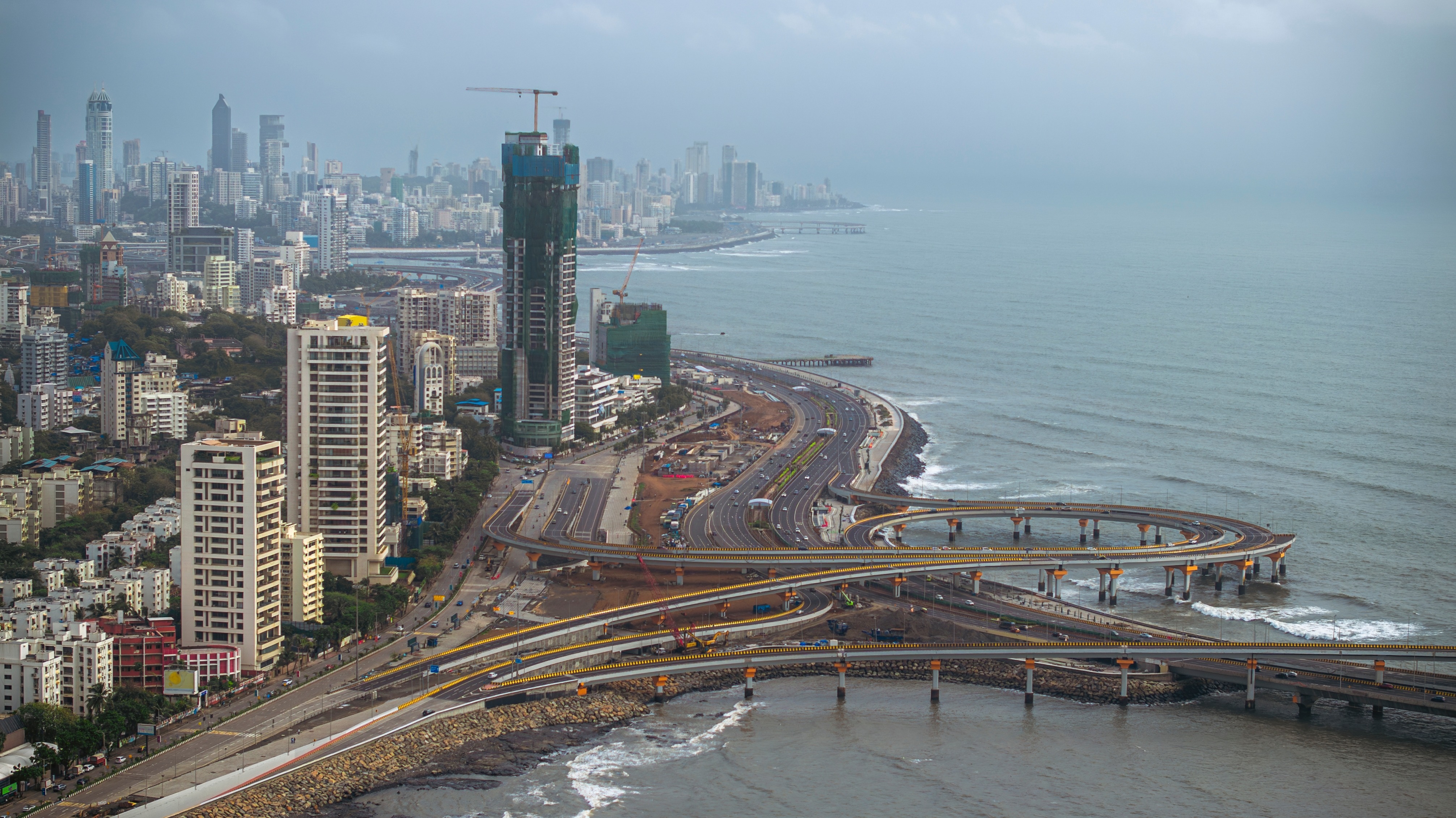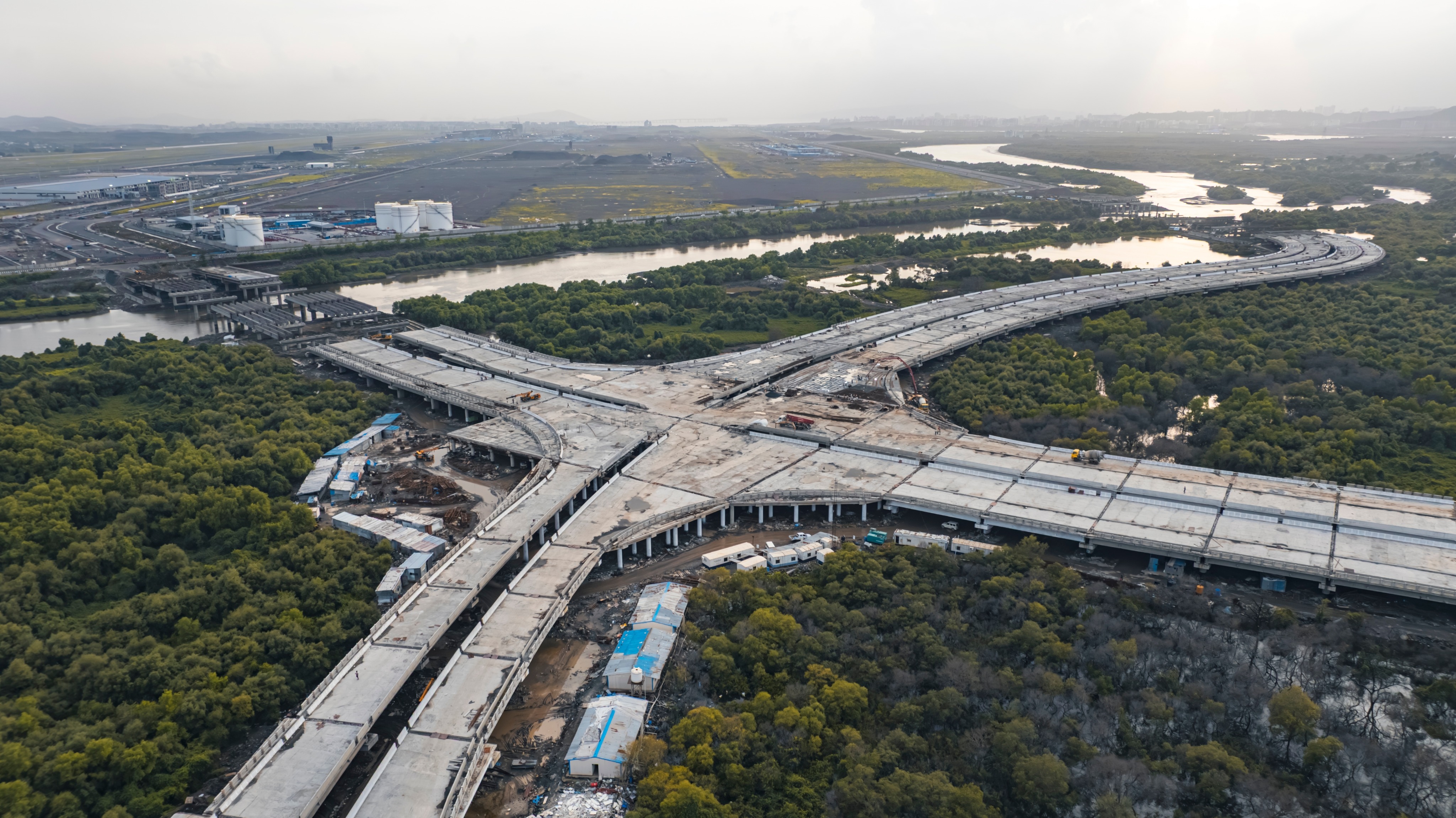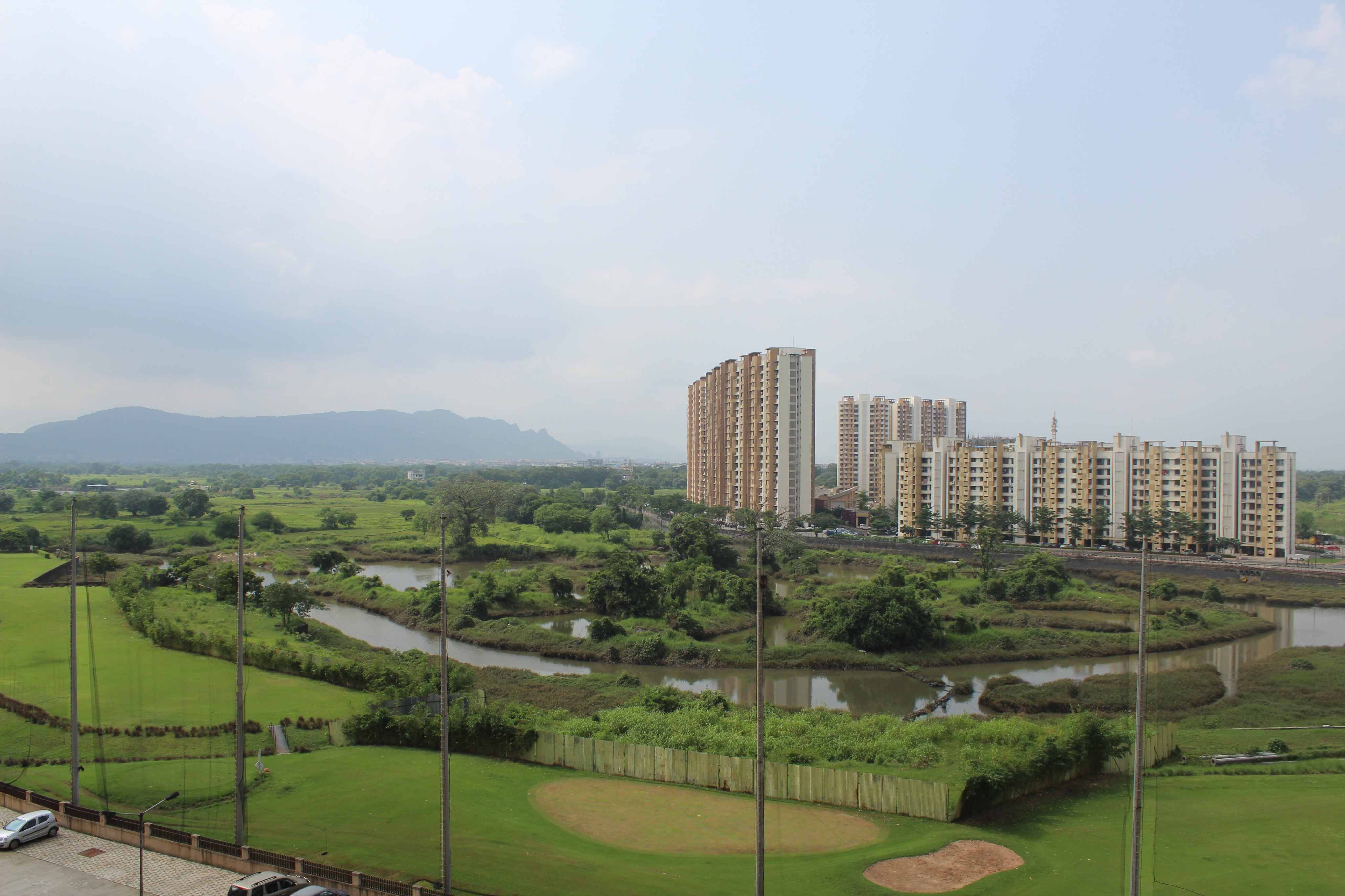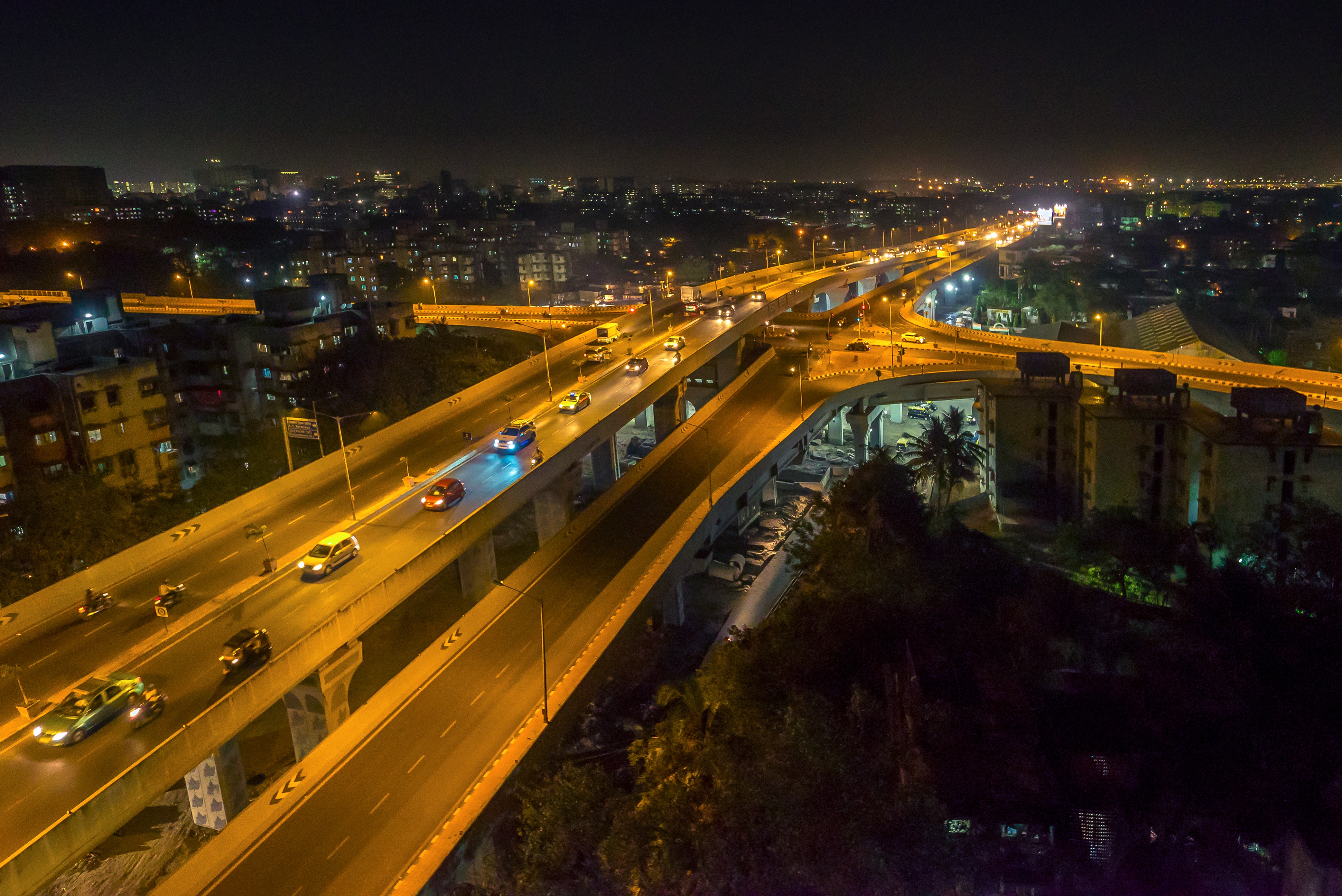

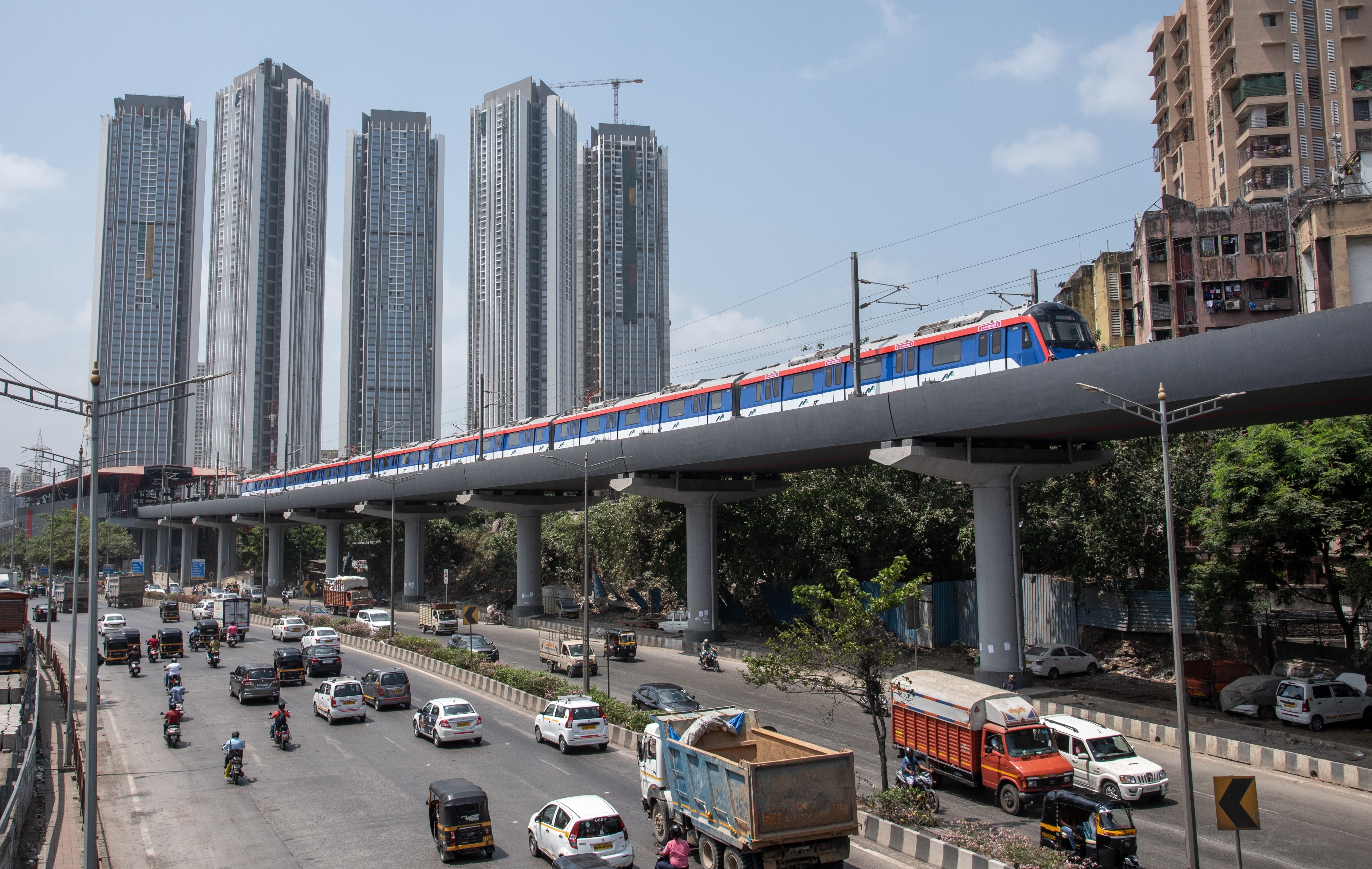
Infrastructure has always played a significant role in shaping real estate markets. Roads, airports, railway stations, business districts, and public transport networks influence where people choose to live and work. Among these, metro rail projects have emerged as some of the strongest drivers of real estate growth in urban India.
Mumbai offers one of the clearest examples of this trend. Over the past decade, the city's expanding Metro network has transformed several neighbourhoods, improved connectivity, reduced travel time, and created new investment hotspots. For homebuyers and investors, studying Mumbai's Metro corridors provides valuable insights into how infrastructure projects influence property values.
Understanding the infrastructure impact on real estate prices in India can help investors identify opportunities before prices peak and make more informed decisions.
Infrastructure improves accessibility, convenience, and economic activity. Areas that were once considered distant or poorly connected become attractive when travel becomes easier.
When a major infrastructure project is announced, buyers begin anticipating future benefits. As construction progresses and completion becomes visible, demand often increases. Once operational, the project typically attracts residents, businesses, retailers, and developers, creating sustained growth in property values.
This pattern explains the strong infrastructure impact on real estate prices in India, particularly in metropolitan cities experiencing rapid urban expansion.
Metro rail projects are especially influential because they directly address one of the biggest urban challenges: commuting.
Mumbai has historically depended on suburban rail networks and road transport. Increasing congestion made daily commuting difficult across many parts of the city.
The expansion of Metro corridors has significantly improved mobility. Areas that previously required lengthy road journeys now enjoy faster and more predictable travel times.
This explains how metro rail increases property value in Mumbai. Improved connectivity enhances quality of life, making nearby residential and commercial developments more attractive.
Homebuyers increasingly prioritise locations with convenient Metro access. Developers recognise this shift in demand and actively seek opportunities in well-connected neighbourhoods. As a result, property price appreciation near metro stations in Mumbai has become a recurring trend across multiple corridors.
The Versova-Andheri-Ghatkopar Metro corridor demonstrated how transport infrastructure can reshape real estate markets.
Areas such as Andheri East, Ghatkopar, Marol, and Saki Naka witnessed increased residential demand after connectivity improved. Travel times between eastern and western suburbs reduced significantly, making these locations more desirable for professionals.
The corridor became an early example of how metro rail increases property value in Mumbai, encouraging both end-users and investors to enter the market.
The development of Metro Line 2A and Metro Line 7 brought renewed attention to western suburbs such as Dahisar, Borivali, Kandivali, Malad, and Goregaon.
Improved connectivity attracted residential projects, commercial developments, and retail investments. Buyers seeking better value compared to central Mumbai increasingly considered these locations.
These corridors further reinforced the trend of property price appreciation near metro stations in Mumbai, particularly in neighbourhoods that previously relied heavily on road transport.
Metro Line 3, connecting Colaba, Bandra, and SEEPZ, is expected to be one of Mumbai's most transformative infrastructure projects.
The corridor links key business districts, commercial centres, and premium residential locations. Improved accessibility is expected to influence both residential and commercial demand across the route.
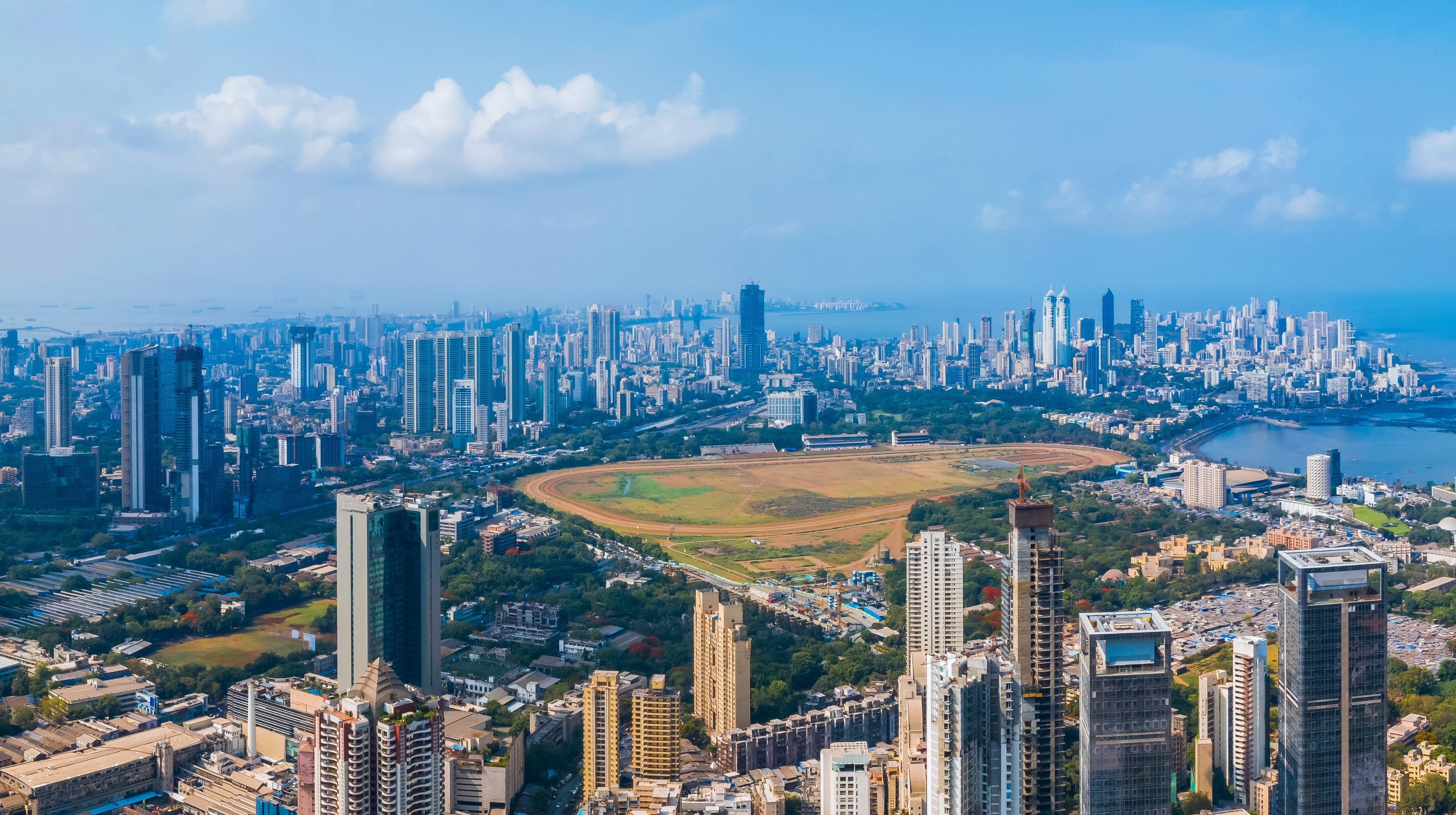
Premium neighbourhoods such as Mahalaxmi are expected to benefit from these connectivity improvements. Developments in the area, including projects such as 7 Mahalaxmi by Runwal Enterprises, are situated within a location that could benefit from improved access across the city.
The corridor further highlights the growing infrastructure impact on real estate prices in India, particularly within established urban markets.
The impact of Metro expansion is not limited to central Mumbai. Infrastructure investments are increasingly influencing locations across the wider Mumbai Metropolitan Region. Areas such as Thane, Kalyan, Dombivli, Navi Mumbai, and Mira Road continue to attract investor attention due to ongoing transportation projects and urban development.
Large residential communities are emerging in these locations as buyers seek a balance between affordability, connectivity, and quality of life. This trend reflects the continuing infrastructure impact on real estate prices in India and the growing importance of transport-led development.
The increasing demand witnessed in several of these locations demonstrates how property price appreciation near metro stations in Mumbai often extends into surrounding growth corridors as connectivity improves.
A common misconception is that appreciation begins only after a Metro line becomes operational.
In reality, property values often start increasing much earlier.
The announcement of a Metro project creates expectations of future growth, attracting investors and early buyers.
As construction progresses and project timelines become clearer, market confidence generally improves.
Once Metro services begin, improved accessibility typically attracts end-users, leading to another phase of appreciation.
This cycle demonstrates the broader infrastructure impact on real estate prices in India, where future connectivity often influences present-day demand.
Both residential and commercial properties benefit from Metro connectivity, though in different ways.
Residential buyers value shorter travel times, convenience, and better access to employment centres. Commercial properties benefit from increased footfall, workforce accessibility, and business visibility.
The degree of appreciation varies by location and market conditions. However, both segments illustrate how metro rail increases property value in Mumbai by improving accessibility and strengthening demand.
Metro access is an important factor, but it is not the only driver of appreciation.
Several factors influence long-term value growth:
Investors should assess these elements alongside transportation infrastructure rather than relying solely on Metro connectivity. A broader evaluation often provides a clearer picture of future growth potential and the overall infrastructure impact on real estate prices in India.
Mumbai's Metro expansion demonstrates that infrastructure investments can create substantial opportunities for both homebuyers and investors.
Successful investing often depends on identifying locations before infrastructure projects become fully operational. Early-stage investments may offer greater potential for capital appreciation as connectivity improves.
The repeated pattern of property price appreciation near metro stations in Mumbai highlights the importance of monitoring upcoming projects and understanding how infrastructure influences demand.
Similarly, understanding how metro rail increases property value in Mumbai can help investors identify emerging opportunities across both established and developing markets.