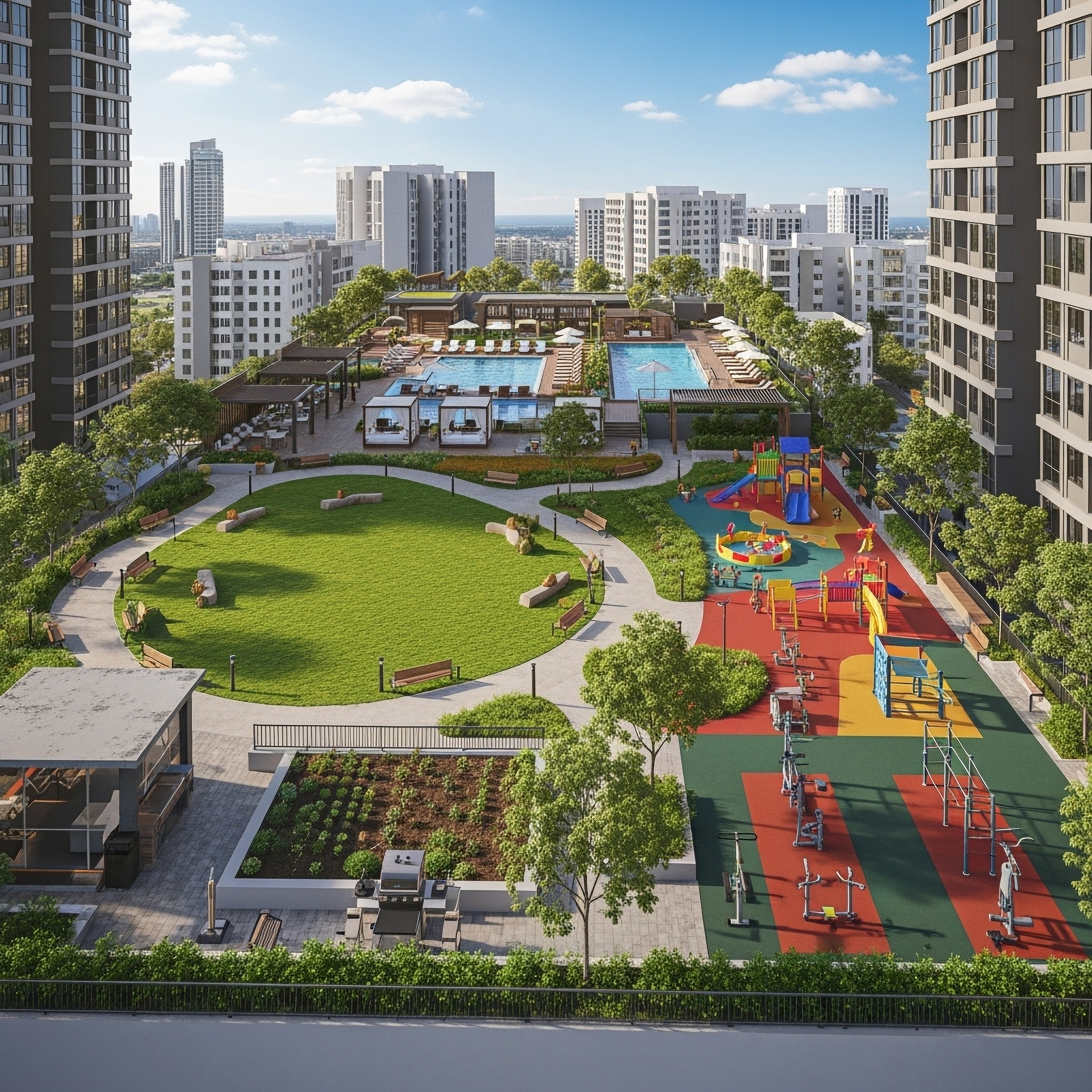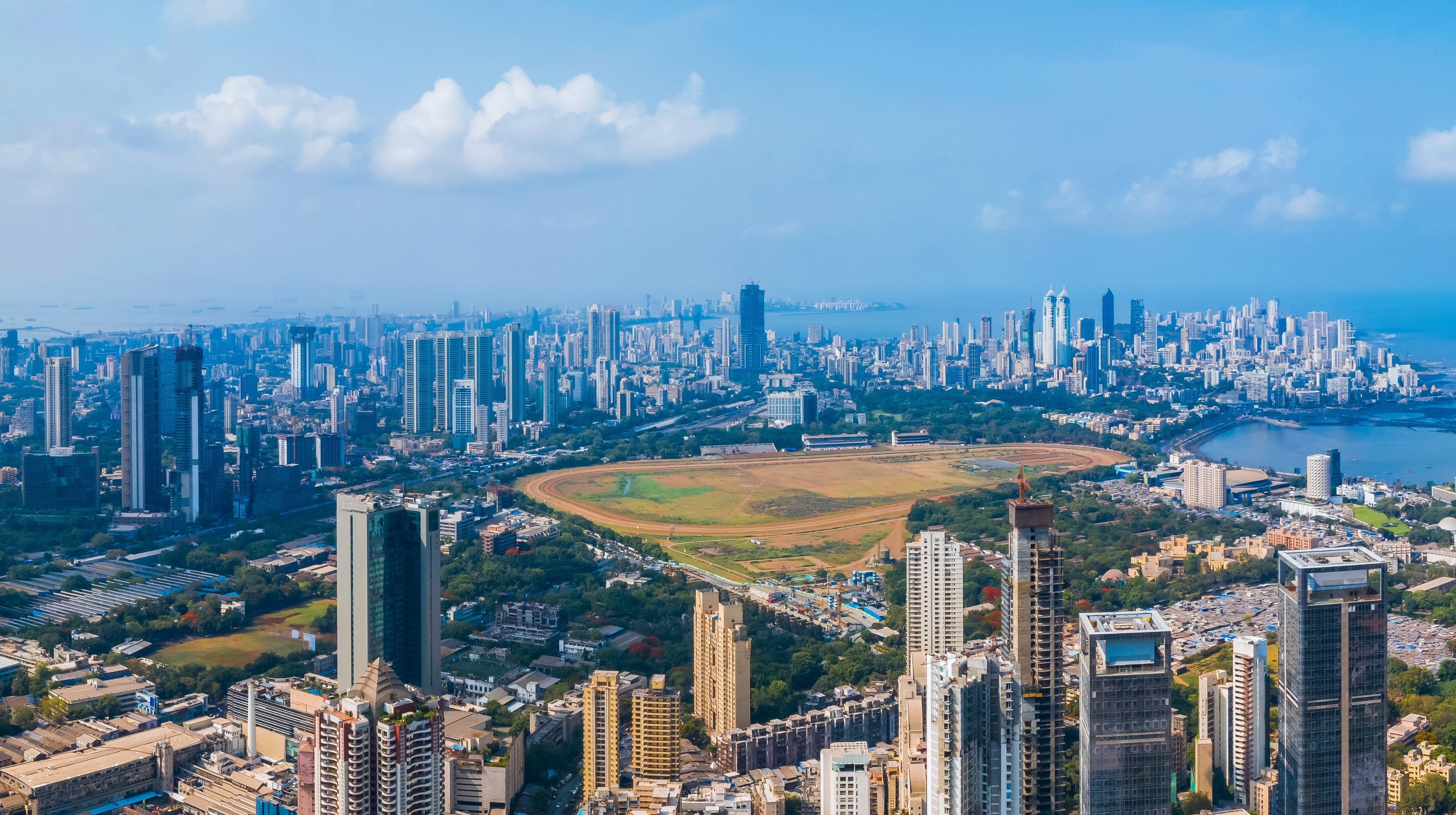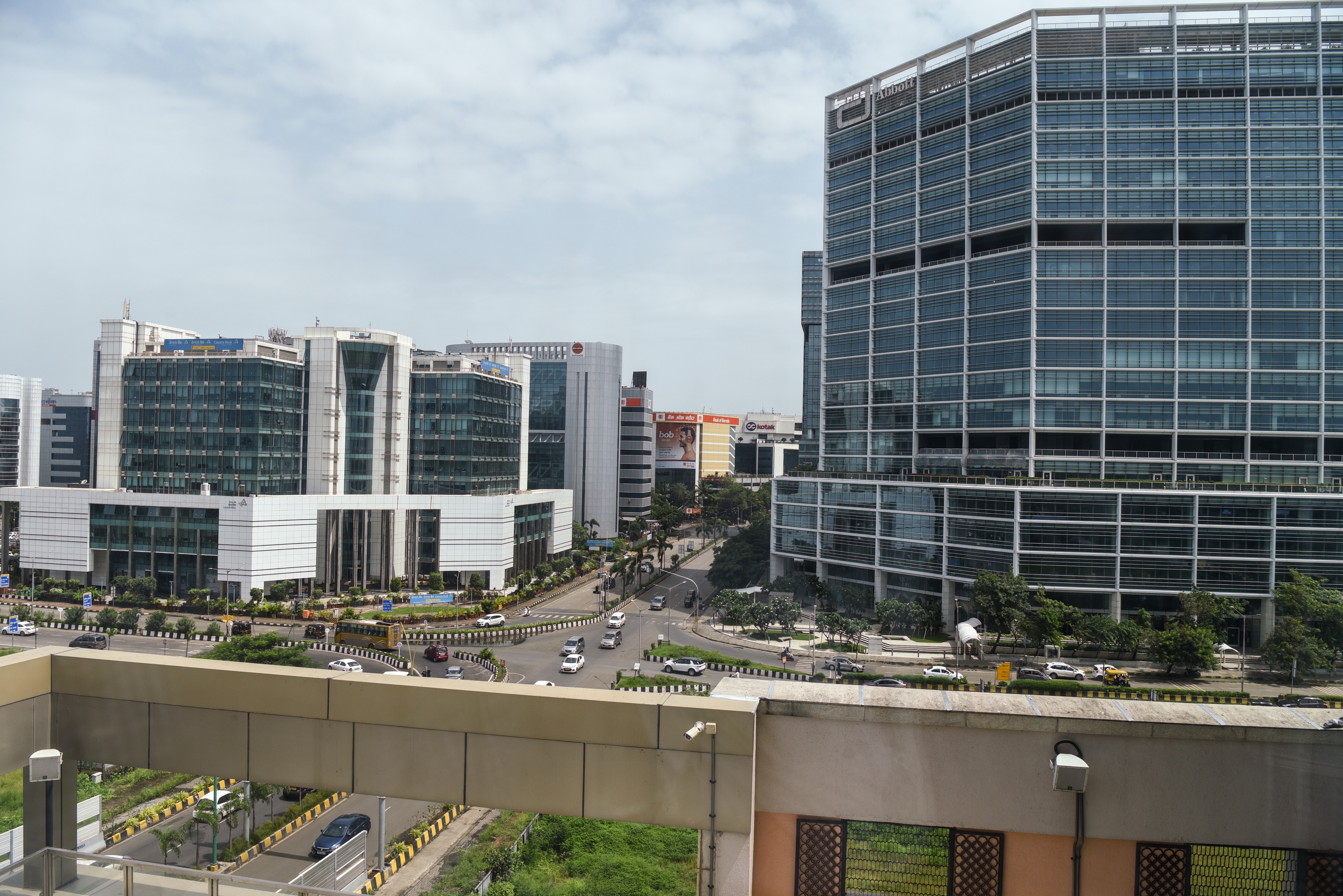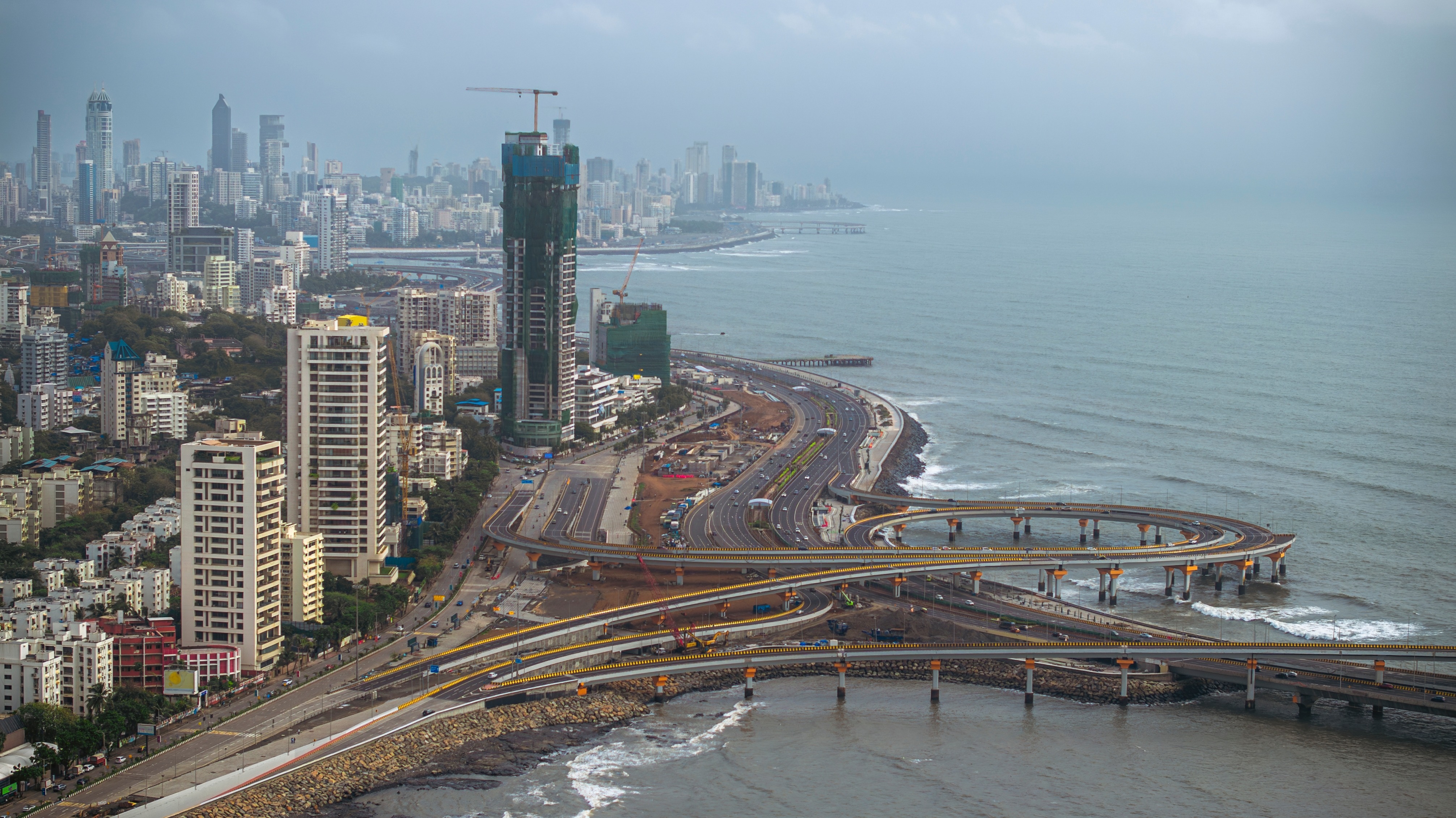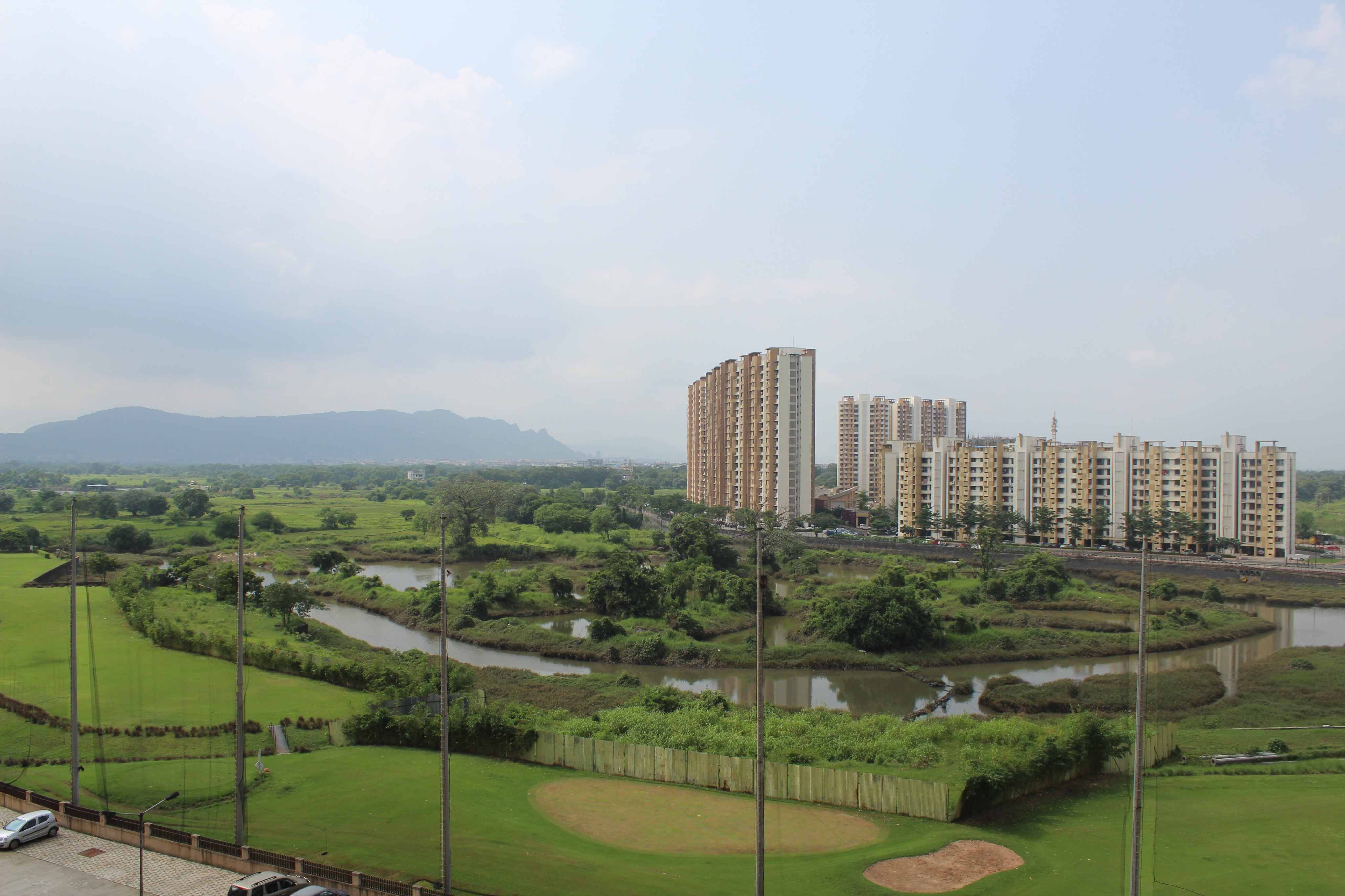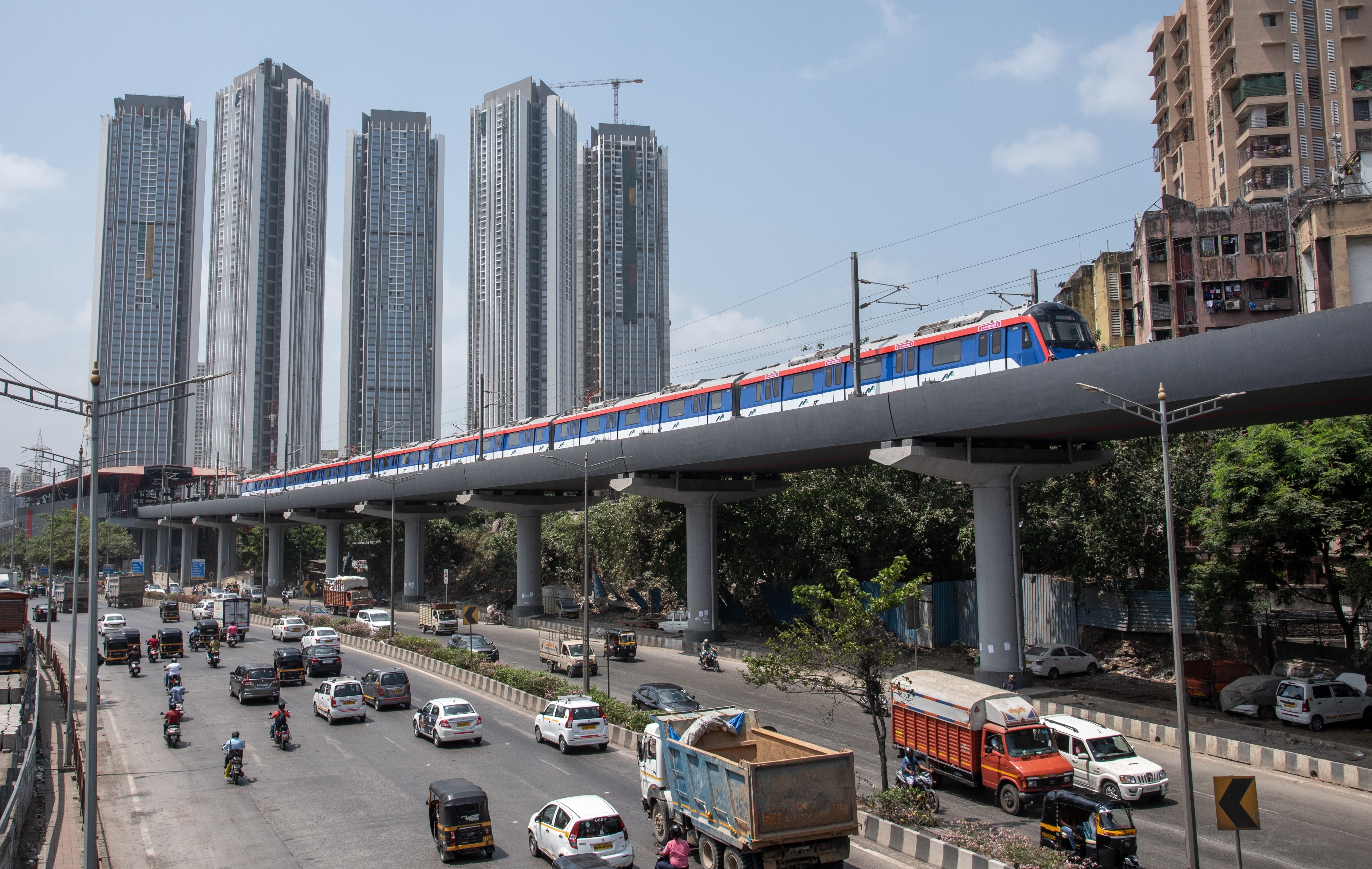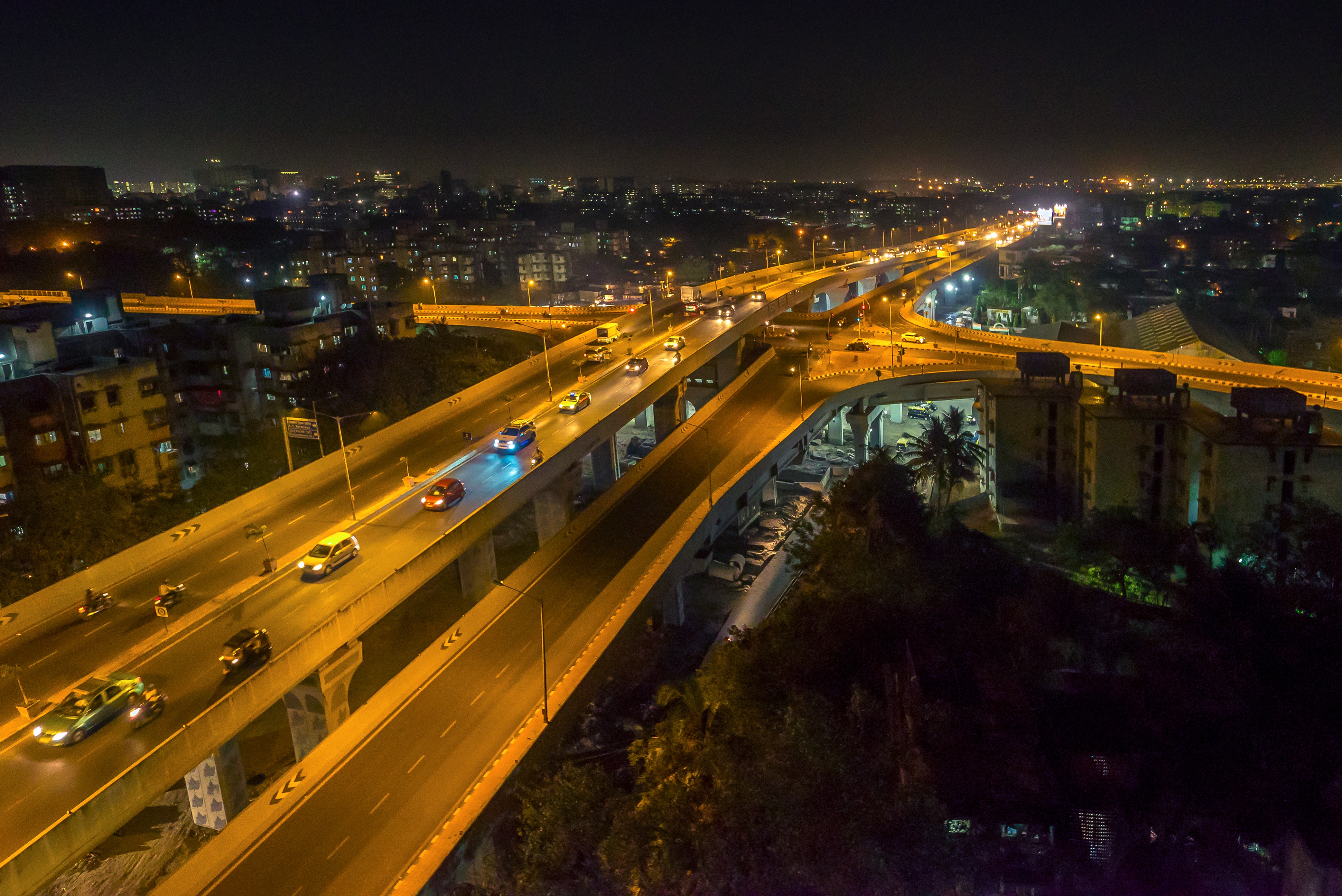

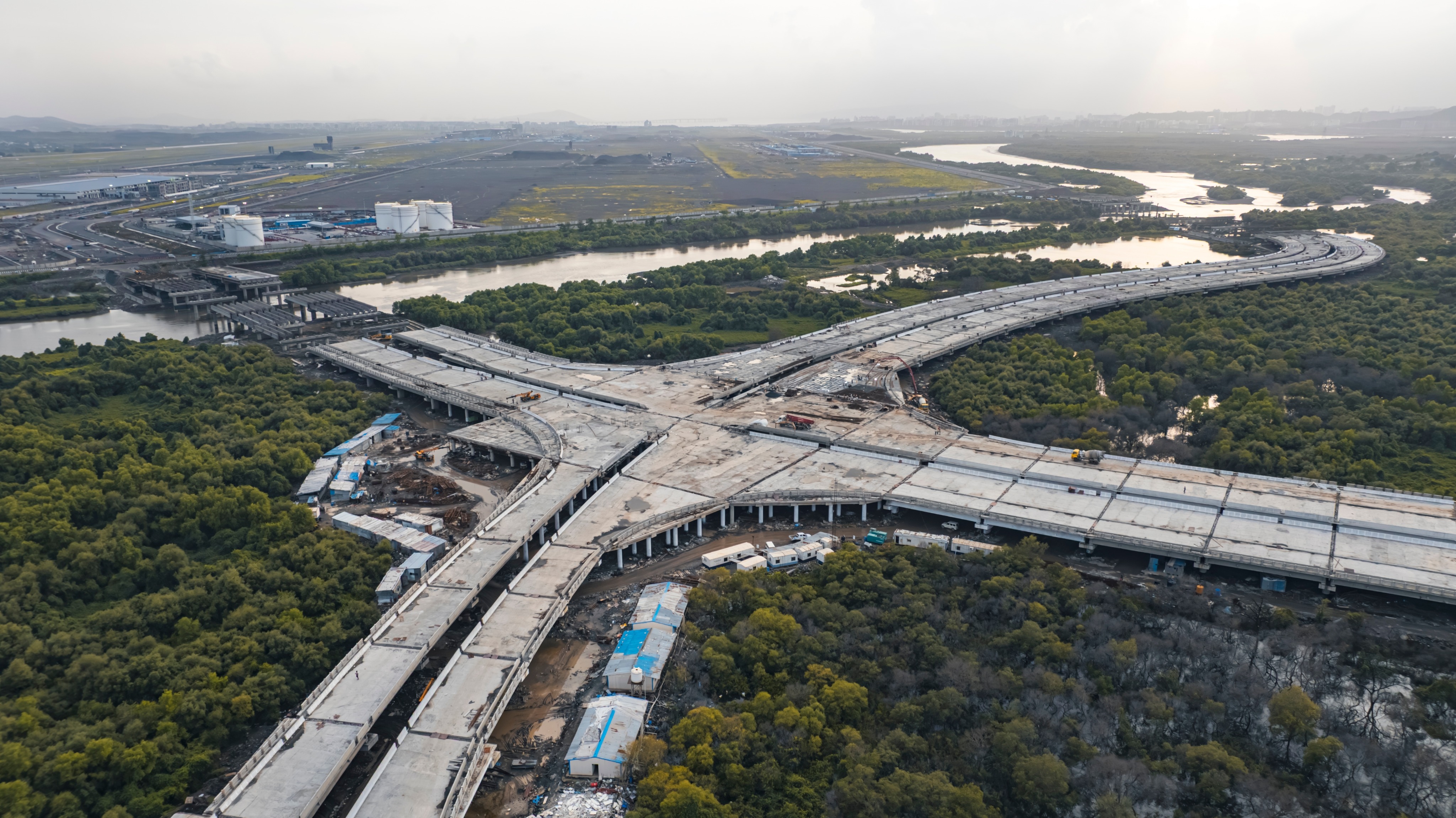
The Mumbai Metropolitan Region (MMR) is entering a defining phase of urban growth. While Mumbai's traditional business districts continue to command demand, the next wave of development is increasingly centred around infrastructure-led expansion. At the heart of this transformation is the Navi Mumbai International Airport (NMIA), a project expected to reshape connectivity, employment, and investment across the region.
For homebuyers and investors alike, the airport represents far more than a transportation hub. It is expected to influence residential demand, commercial development, logistics, and social infrastructure across multiple micro-markets. Consequently, the impact of Navi Mumbai international airport real estate is already becoming evident, particularly in Panvel, Dombivli, and other emerging investment destinations.
Let's explore how NMIA is set to redefine real estate across the MMR.
Mumbai's existing airport has been operating under capacity constraints for years. NMIA has been designed to address this challenge while supporting the region's long-term economic growth.
Located in Ulwe near Panvel, the airport is strategically positioned to serve Navi Mumbai, Thane, Kalyan-Dombivli, Raigad, and neighbouring districts. Its integration with major highways, metro lines, suburban rail, and upcoming transport corridors significantly strengthens regional accessibility.
This growing connectivity is one of the biggest reasons behind the impact of Navi Mumbai international airport real estate, with developers and investors recognising its long-term potential well before the airport becomes fully operational.
Among all surrounding locations, Panvel is expected to experience the most immediate benefits.
Its close proximity to the airport makes it an attractive destination for:
Demand for property near Navi Mumbai airport has steadily increased as infrastructure projects continue progressing. Buyers are increasingly looking at Panvel not only for end-use but also for long-term capital appreciation.
Several integrated townships and premium residential communities are now being developed to meet this growing demand, reinforcing the overall impact of Navi Mumbai international airport real estate.
Although Dombivli is not immediately adjacent to the airport, improved regional connectivity is significantly enhancing its investment prospects.
Infrastructure projects such as:
are expected to reduce travel times between Dombivli and Navi Mumbai.
As a result, many buyers seeking larger homes at comparatively affordable prices are increasingly considering Dombivli. This changing buyer behaviour explains the growing NMIA effect on property prices in Dombivli.
Developers are also introducing larger integrated developments with improved amenities, anticipating sustained residential demand.
The NMIA effect on property prices in Dombivli is therefore driven not by airport proximity alone, but by the wider connectivity ecosystem being created across the MMR.
Large infrastructure projects rarely work in isolation. NMIA is being supported by an extensive network of transportation upgrades that collectively improve accessibility across the region.
Key projects include:
These projects are expected to reduce travel times between major employment centres and emerging residential zones.
This integrated infrastructure approach continues to strengthen the impact of Navi Mumbai international airport real estate, creating multiple growth corridors instead of concentrating development in a single location.
Historically, airports attract more than passengers - they attract businesses.
Around NMIA, future development is expected to include:
Employment generation from these sectors typically creates additional housing demand.
Consequently, the demand for property near Navi Mumbai airport is expected to come from professionals, investors, businesses, and end-users alike.
This diversified demand base generally contributes to healthier and more sustainable real estate growth.
India has witnessed similar patterns before.
Following the development of Hyderabad's Rajiv Gandhi International Airport, areas such as Gachibowli, Financial District, and Shamshabad experienced remarkable commercial and residential expansion.
Likewise, Delhi's Indira Gandhi International Airport significantly accelerated growth across Aerocity and Gurugram, supported by metro connectivity and business infrastructure.
Although every city evolves differently, these examples demonstrate how major airport infrastructure can reshape urban development.
Many analysts believe the impact of Navi Mumbai international airport real estate could follow a similar trajectory, particularly when combined with MMR's expanding transport network.
For decades, South Mumbai remained the centre of business and premium real estate.
However, rising land costs, limited availability, and evolving work patterns have gradually shifted development towards Navi Mumbai, Thane, Kalyan-Dombivli, and Panvel.
NMIA is expected to accelerate this transition by creating new employment hubs outside the traditional city centre.
This decentralisation benefits both businesses seeking expansion opportunities and residents looking for better housing options with improved connectivity.
The rising demand for property near Navi Mumbai airport reflects this broader shift towards balanced regional development.
Rather than focusing solely on airport proximity, investors should evaluate:
Markets benefiting from multiple infrastructure projects often demonstrate stronger long-term resilience than locations dependent on a single catalyst.
This broader perspective also explains the increasing NMIA effect on property prices in Dombivli, where infrastructure improvements are working together to create long-term investment potential.
The Navi Mumbai International Airport is poised to become one of the most significant infrastructure developments in the MMR.
Its influence extends well beyond aviation. By improving connectivity, attracting businesses, generating employment, and encouraging integrated urban development, NMIA is expected to reshape multiple real estate corridors across the region.
Whether it is the immediate opportunities in Panvel or the growing NMIA effect on property prices in Dombivli, investors are increasingly recognising the value of infrastructure-led growth. Similarly, the sustained demand for property near Navi Mumbai airport reflects growing confidence in the region's long-term prospects.
As connectivity continues to improve across the MMR, the impact of Navi Mumbai international airport real estate is expected to remain a major driver of residential and commercial development for years to come.