
A home purchase is rarely just about the apartment. It is about the life built around it - space, comfort, community, and long-term value. One factor quietly shaping all of this is the Floor Space Index (FSI).
Often overlooked, FSI determines how much can be constructed on a plot. For a homebuyer, this directly translates into how crowded a project will be, how amenities are shared, and how sustainable the living environment remains over time. In high-density markets, especially when assessing the Floor Space Index in Mumbai, this becomes a decisive factor.
Floor Space Index (FSI) refers to the ratio between the total built-up area of a building and the total plot area. It defines the maximum permissible construction on a piece of land.
For a homebuyer, this is not a technical detail. It is a window into the scale of the project. A higher FSI indicates more built-up space on the same land parcel, which often means more residents sharing the same infrastructure.
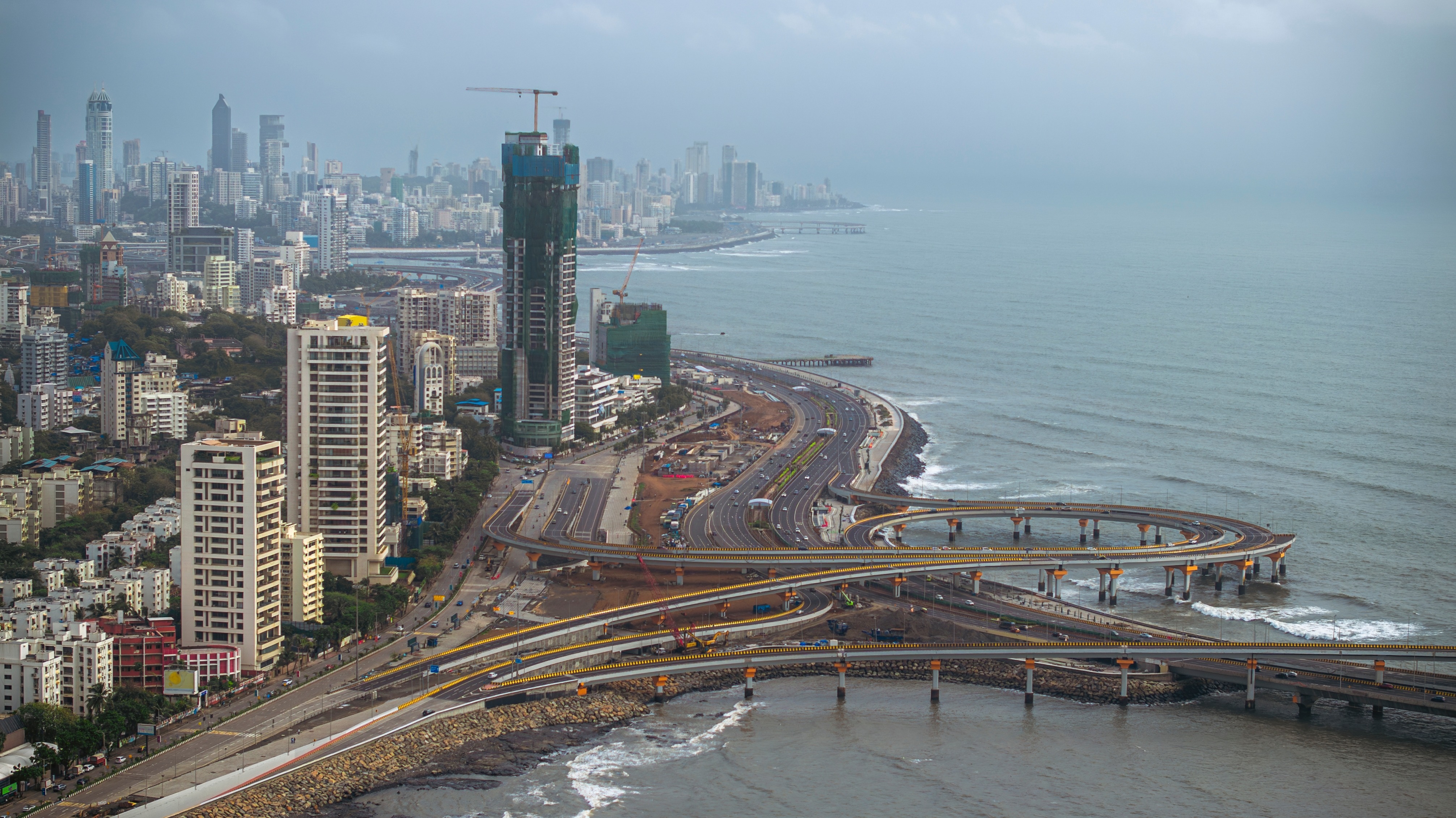
Understanding the Floor Space Index in Mumbai is particularly relevant, given the city’s limited land and vertical growth patterns.
FSI shapes the everyday living experience within a project.
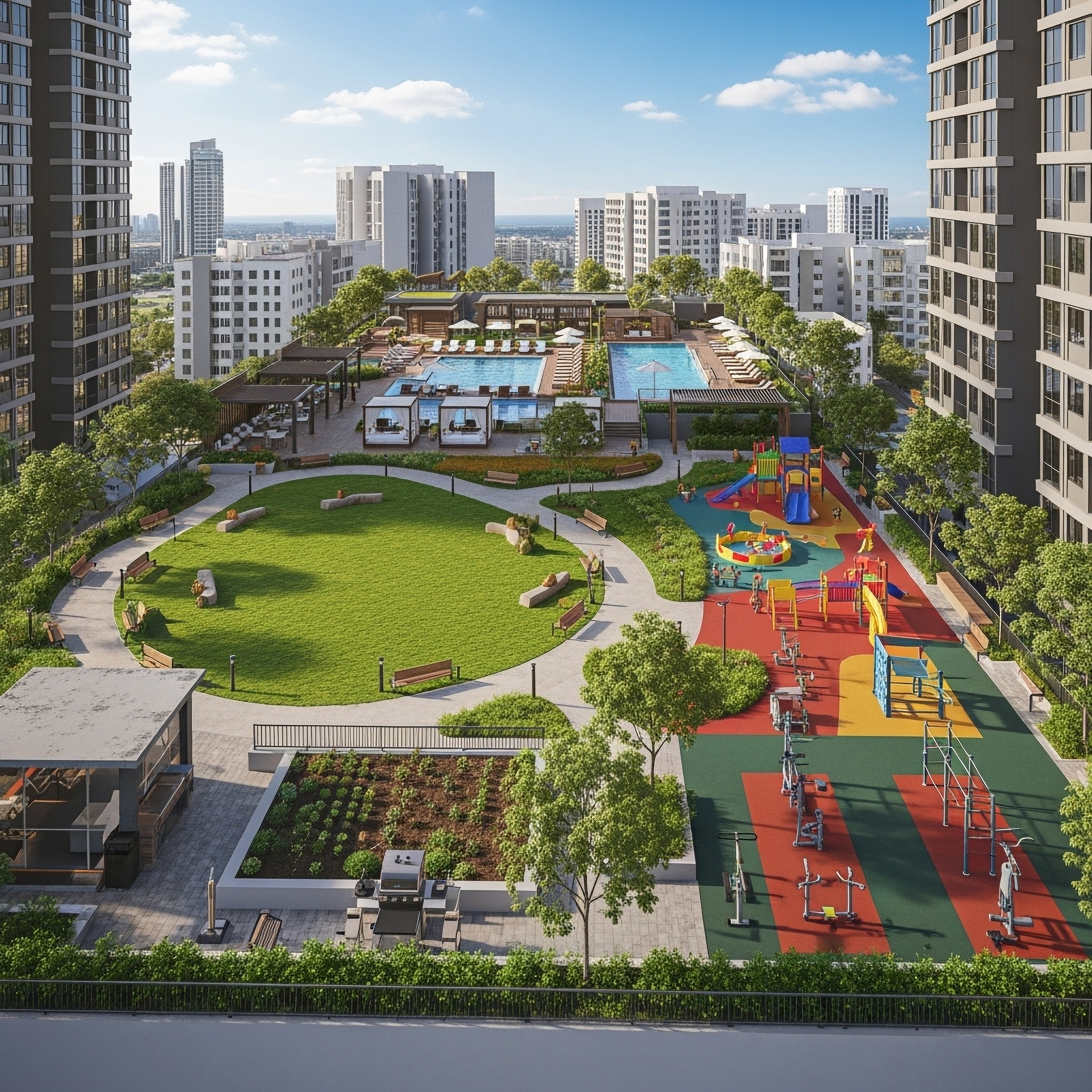
A higher FSI allows developers to construct more units, increasing housing supply. However, it can lead to higher density, with more families sharing lifts, parking, and amenities. A lower FSI typically results in fewer units, offering more open space and privacy.
For homebuyers evaluating projects in dense cities, the Floor Space Index in Mumbai becomes a critical lens. It helps assess whether the development strikes the right balance between capacity and comfort.
The calculation of FSI is straightforward and forms the basis of all development planning:
FSI = Area on which the house is built/ Plot area
If a project is built on a 10,000 sq. ft. plot with a total constructed area of 20,000 sq. ft., the FSI is 2.
For a homebuyer, this number reflects how intensively the land has been utilised. When reviewing developments, especially those aligned with the Floor Space Index in Mumbai, this calculation provides clarity on density.
Permissible FSI is set by local authorities and varies based on location, zoning, and infrastructure capacity.
In Mumbai, under DCPR 2034, the Floor Space Index in Mumbai spans a wide range:
• Residential projects typically fall between 1 and 3
• Redevelopment and incentive-based projects may go higher
• In select cases, FSI can reach up to 5
This variation reflects the city’s attempt to accommodate growth while managing infrastructure stress.
For a homebuyer, knowing the permissible FSI offers insight into whether a project is aligned with regulatory limits and future expansion potential.
FSI is not uniform. It is shaped by multiple factors:
• Plot size and configuration
• Location within the city
• Type of development—residential or commercial
• Availability of infrastructure such as roads, water, and sewage
• Zoning and redevelopment policies
In the context of the Floor Space Index in Mumbai, these factors are dynamic. Redevelopment incentives, transit-oriented planning, and infrastructure upgrades frequently influence permissible FSI values.
For a homebuyer, these variables explain why two projects in the same city can feel vastly different in density and layout.
FSI directly influences how a project functions on a daily basis.
Higher FSI:
• More apartments within the same land area
• Increased demand on lifts, parking, and shared amenities
• Potential strain on infrastructure if not planned well
Lower FSI:
• Fewer units and lower density
• Better access to open spaces
• Greater privacy and reduced congestion
From a sustainability perspective, balance is key. Excessive density without infrastructure planning can reduce liveability. Extremely low density may lead to inefficient land use, especially in urban centres.
This is why the Floor Space Index in Mumbai is periodically revised to align development with long-term urban sustainability.
FSI plays a structured role in shaping real estate outcomes:
• Enables planned urban development
• Regulates building density
• Ensures infrastructure is not overburdened
• Supports efficient land utilisation
• Helps maintain a balance between development and liveability
For homebuyers, the Floor Space Index in Mumbai offers a practical way to evaluate whether a project is likely to remain comfortable over time or become congested as occupancy increases.
FSI and FAR represent the same concept with different formats:
• FSI (Floor Space Index): Expressed as a percentage
• FAR (Floor Area Ratio): Expressed as a decimal
For example, an FSI of 200% is equivalent to an FAR of 2.0.
The terminology may differ across markets, but the implication remains unchanged. Whether reviewing project brochures or regulatory documents, understanding this distinction ensures clarity.
FSI is not just a developer’s metric. It is a homebuyer’s insight into the future of a property.
It reveals how crowded a development may become, how efficiently space is used, and how well the project aligns with infrastructure capacity. In markets where vertical growth is the norm, such as those governed by the Floor Space Index in Mumbai, this understanding becomes even more critical.
A well-balanced FSI often translates into a better living experience—adequate open spaces, manageable density, and sustainable infrastructure usage.
A home purchase deserves more than surface-level evaluation. Understanding FSI adds depth to that decision Runwal Enterprises brings a grounded approach to real estate, helping homebuyers assess projects beyond brochures and floor plans. With insights into factors like FSI, location dynamics, and long-term value, each decision is backed by clarity.
Choose a home with confidence. Choose insight. Choose Runwal Enterprises.