

Home
Projects
About Us
Contact Us
Enquire Now
Please check 6-digit verification code on your given phone number.
Factors That Influence Property Prices in Mumbai: A Complete Homebuyer's Guide
Posted on October 29, 2026 - By admin - Category Real Estate Guide - in Real Estate Guide

Factors That Influence Property Prices in Mumbai: A Complete Homebuyer's Guide

Buying a home in Mumbai is about much more than comparing the price per square foot. Two properties in the same city can have very different price tags depending on their location, connectivity, supply, amenities and the developer behind them.

Mumbai's real estate market is also constantly evolving. Infrastructure development, redevelopment, changing buyer preferences and economic conditions continue to influence property values across different parts of the city.

For a homebuyer, understanding the factors influencing property prices in Mumbai can help put the quoted price into perspective and make the buying decision more informed.

Location remains a key factor

Among the most important factors influencing property prices in Mumbai is location.

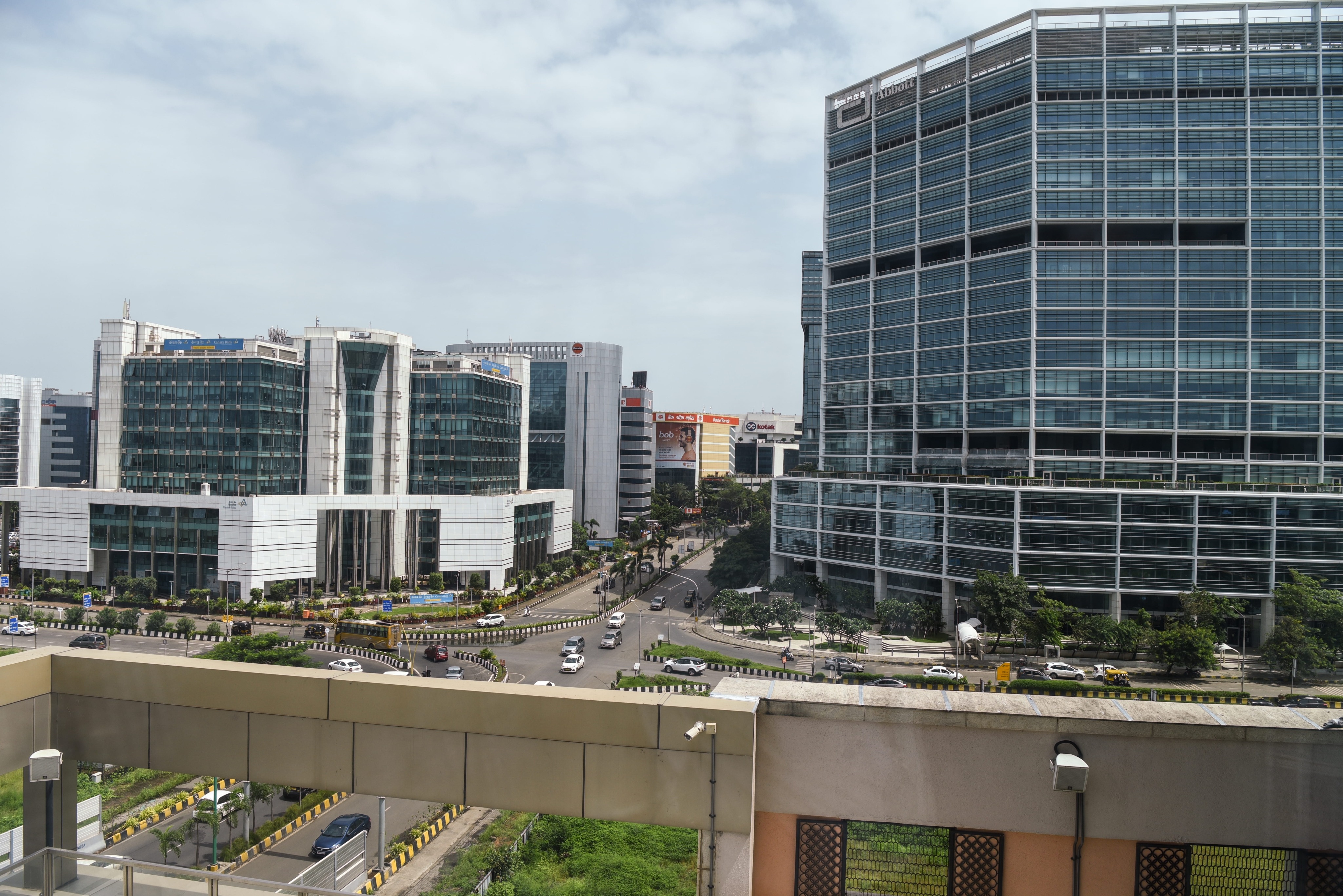
Proximity to employment hubs, schools, hospitals, retail destinations and public transport can influence demand for a property. Established neighbourhoods with strong social infrastructure often command a premium because buyers are not simply paying for the home, but also for the convenience of the location.

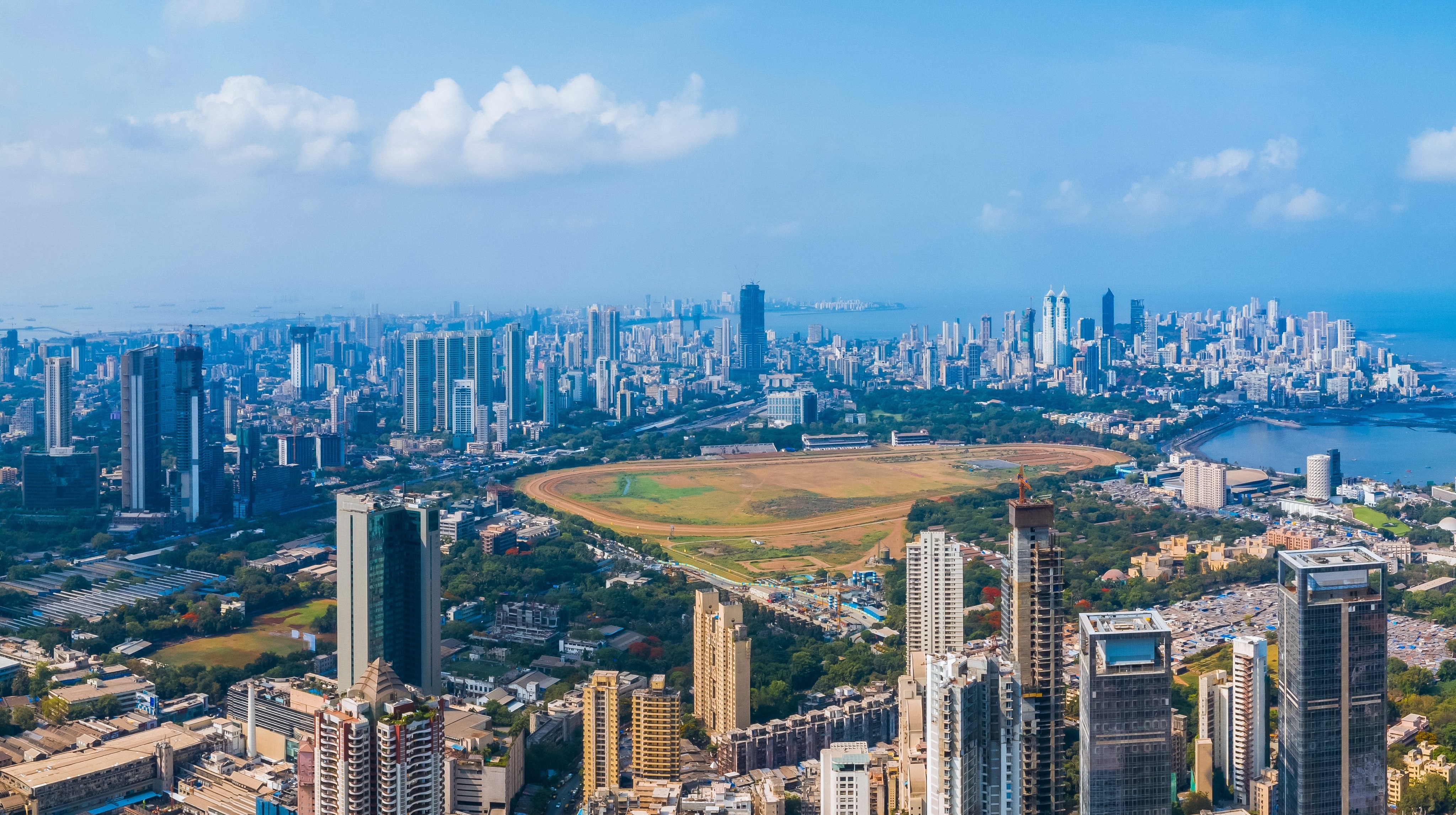
However, Mumbai is not one uniform property market. Worli, Andheri, Powai, Mulund, Goregaon and other micro-markets have different levels of demand, connectivity, supply and buyer profiles.

This makes it important to understand local Mumbai property market trends rather than relying only on city-wide averages.

Connectivity and infrastructure can influence prices

Infrastructure is another important factor when looking at why property prices increase in Mumbai.

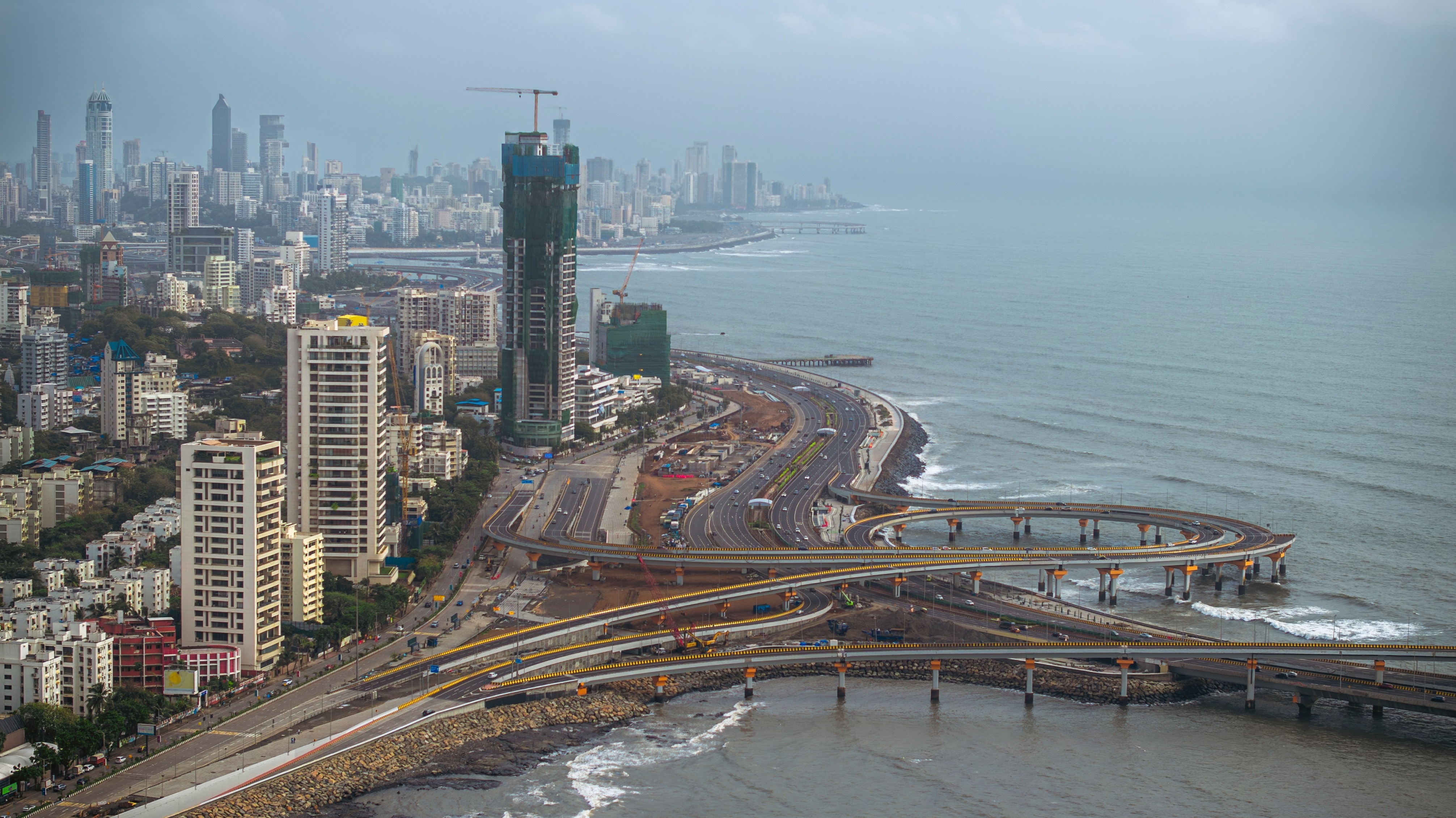
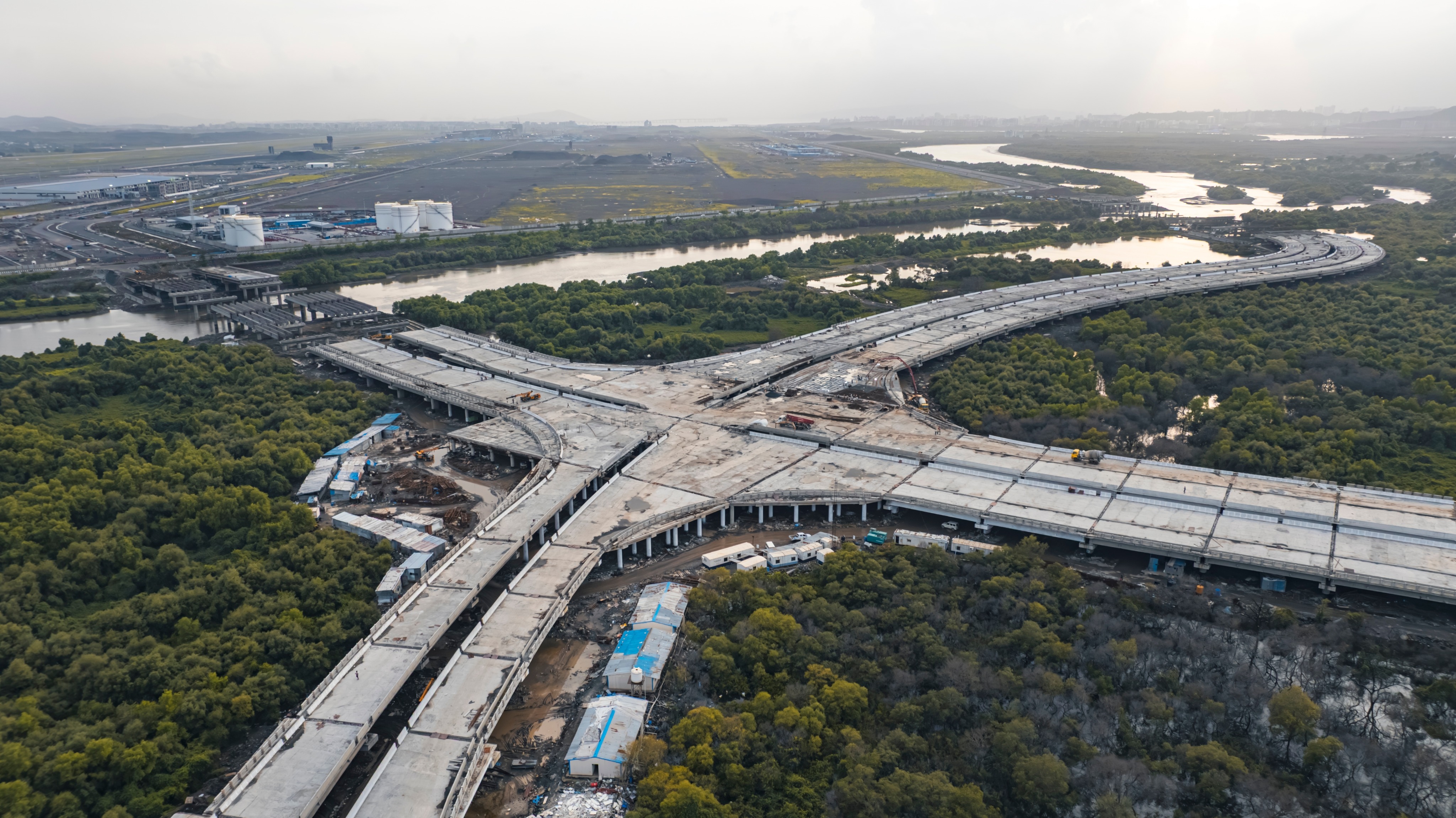
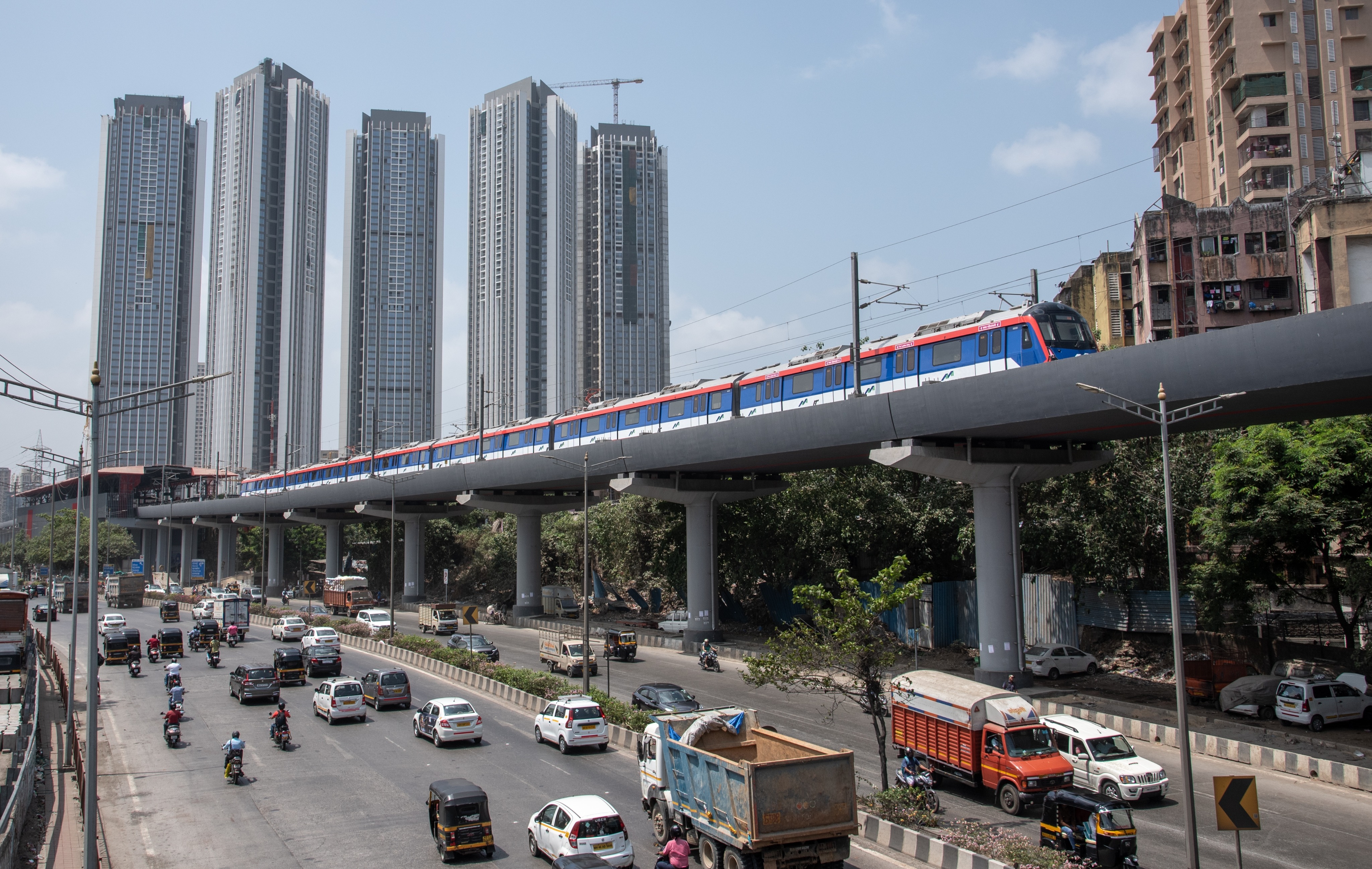
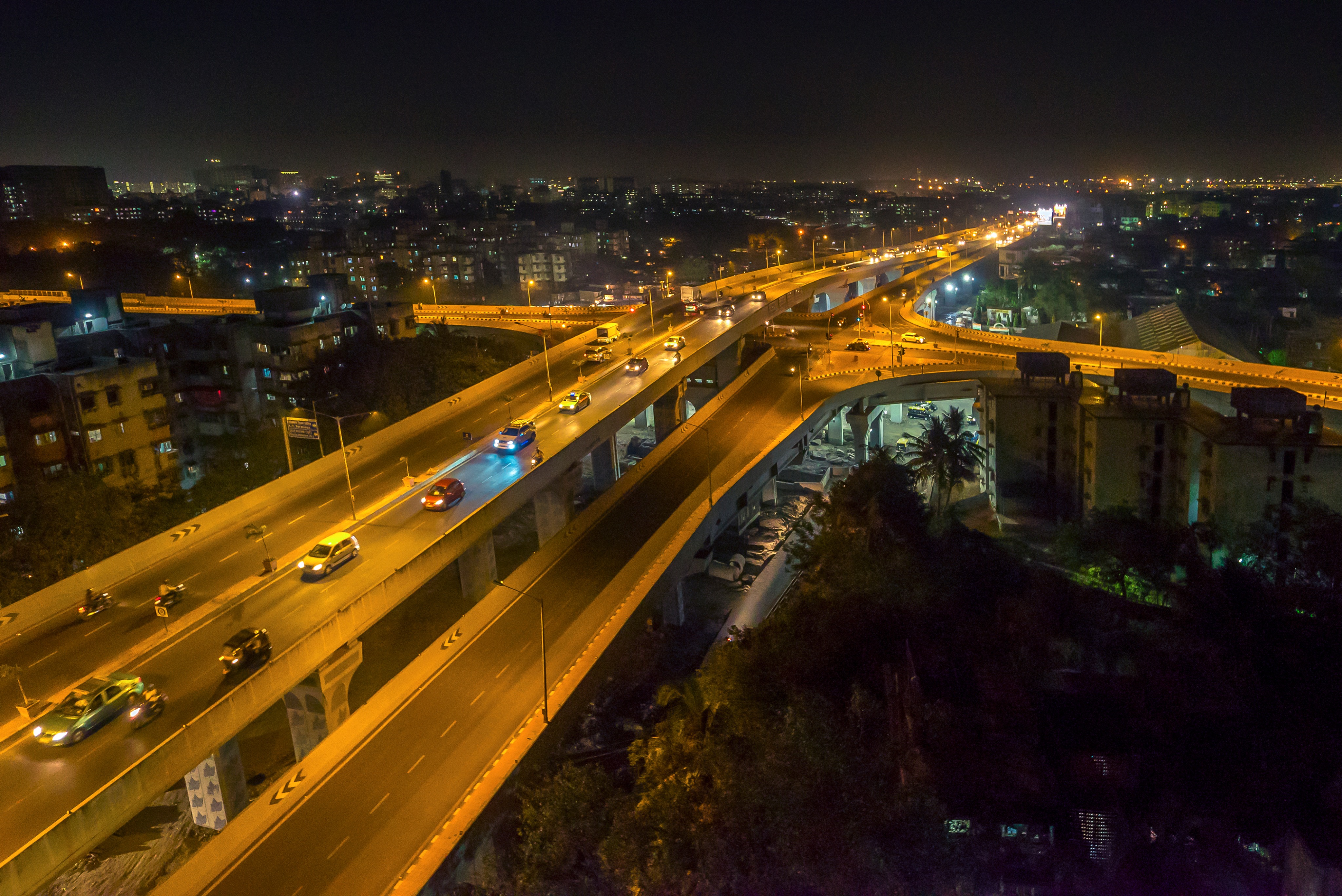
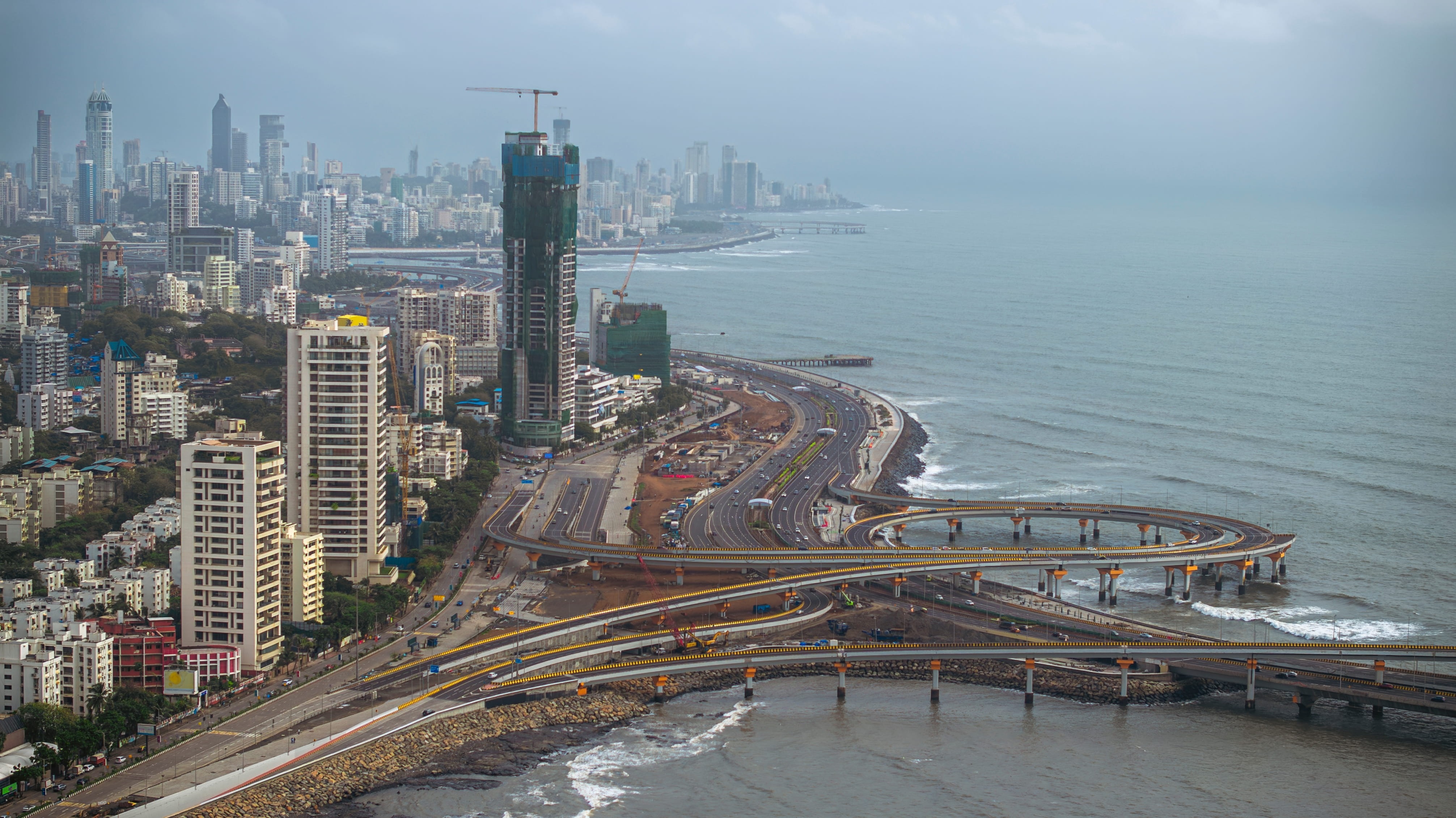
Metro lines, major roads, bridges and other transport projects can improve accessibility and reduce travel time. When a locality becomes better connected to employment hubs and other parts of the city, it can become more attractive to homebuyers.

But infrastructure should not be viewed in isolation. The actual impact depends on the location, the quality of connectivity and whether the project meaningfully improves everyday travel.

For a buyer, it is therefore worth considering both existing infrastructure and projects that are progressing, rather than pricing a property purely on the promise of future development.

Supply and demand shape property rates

The balance between available homes and buyer demand is one of the fundamental factors influencing property prices in Mumbai.

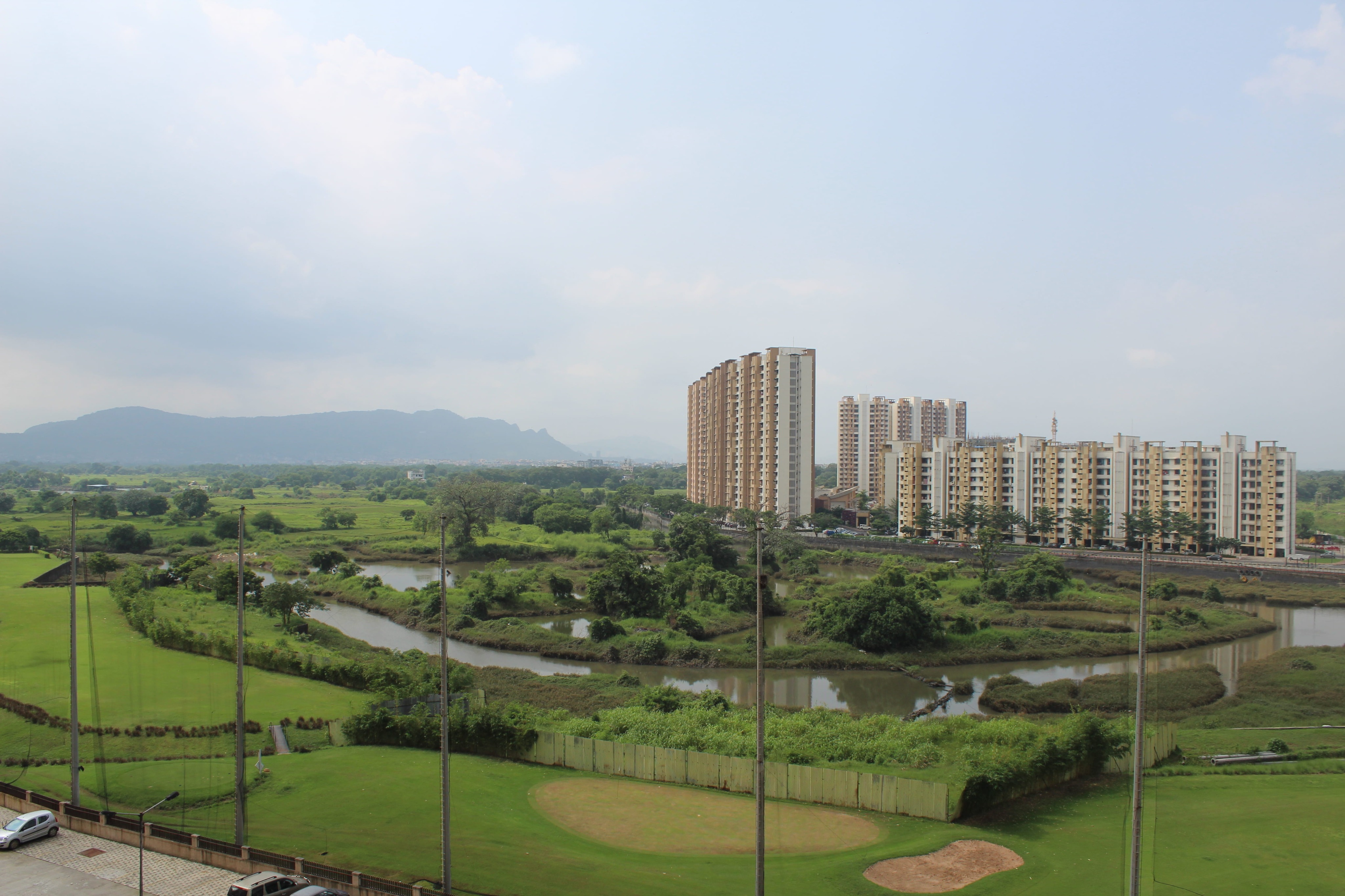
Mumbai has limited developable land, particularly in established locations. At the same time, demand for well-connected homes remains significant. When suitable supply is limited and demand remains strong, prices can come under upward pressure.

Redevelopment is also changing the supply equation. Older buildings in established neighbourhoods are increasingly being replaced with new residential developments, bringing additional housing stock into locations where outward expansion is limited.

This is why homebuyers should examine the existing and upcoming supply in a particular micro-market before assuming that limited land will automatically result in continuous price appreciation.

Builder reputation matters

The developer behind a project can also influence its pricing.

A builder with a strong record of project delivery, construction quality and customer experience may command greater buyer confidence. This can be reflected in the pricing of its residential projects.

For a homebuyer, however, builder reputation should go beyond brand recognition. It is worth looking at completed projects, delivery history, construction quality, approvals and the experience of existing residents.

The quality of the development can ultimately have a bearing on both the liveability of the home and its long-term demand.

Economic conditions and interest rates

Property prices do not move independently of the wider economy.

Employment, household incomes, inflation, consumer confidence and interest rates can all influence housing demand. For buyers relying on home loans, interest rates directly affect borrowing costs and monthly EMIs.

When borrowing costs are manageable and economic confidence is strong, buyers may have greater purchasing capacity. When rates rise or uncertainty increases, some buyers may postpone their purchase.

These conditions are an important part of understanding why property prices increase in Mumbai and why price movements can vary across different periods.

Changing buyer preferences

Mumbai homebuyers today are looking beyond just the address.

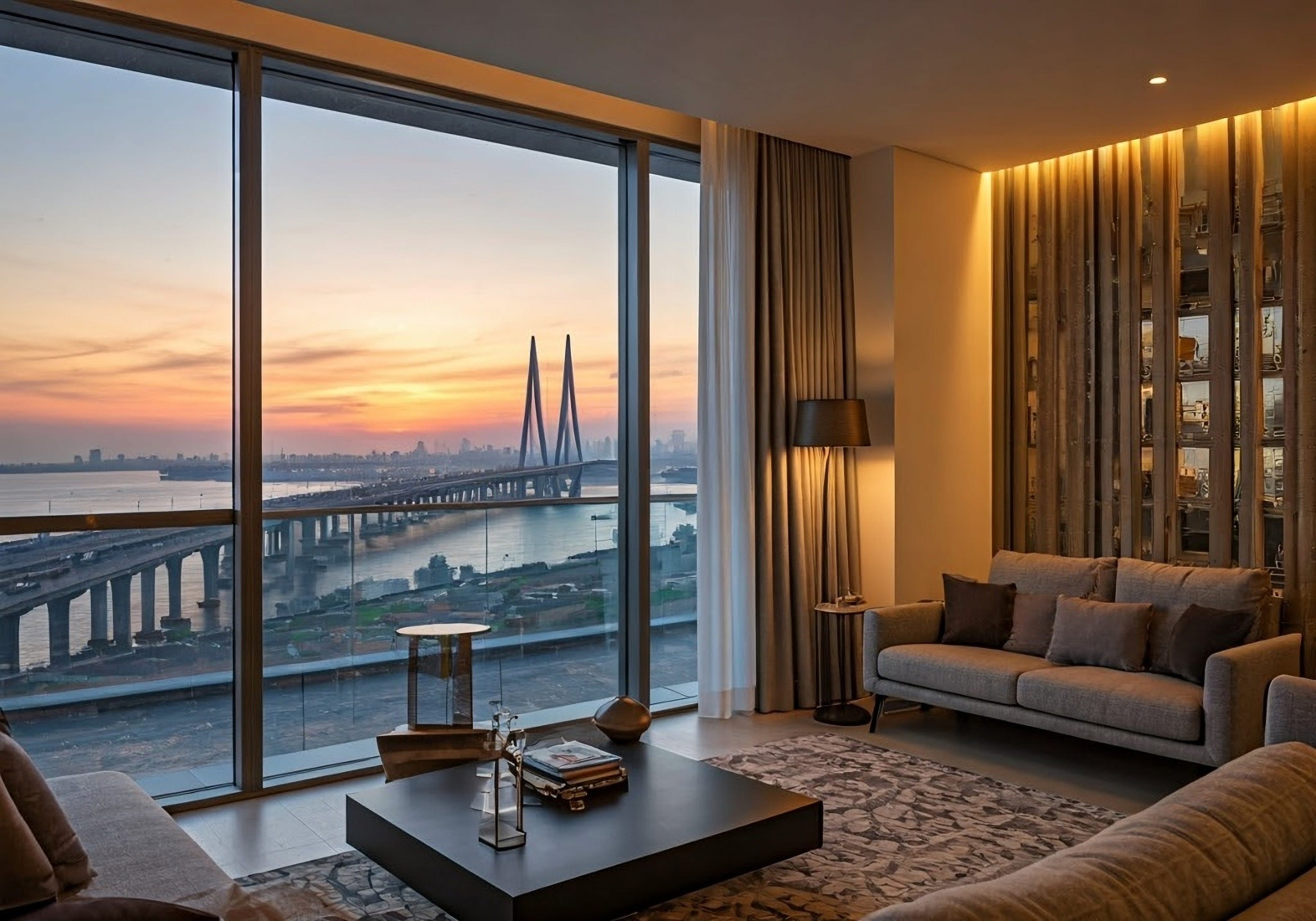
Layout, usable space, amenities, open areas, parking, security and overall liveability can influence purchasing decisions. In premium segments, factors such as views, privacy, quality of construction and the overall experience offered by a project can become even more important.

These preferences are also reflected in Mumbai property market trends, with demand varying considerably across property segments and locations.

What does the 2026 market tell homebuyers?

Recent data points to continued activity in Mumbai's residential market.

According to Maharashtra's Department of Registration and Stamps data analysed by Knight Frank India, Mumbai under the BMC jurisdiction is estimated to have recorded 13,617 property registrations in July 2026, an 8.3% year-on-year increase. This was the highest July tally in more than 14 years. Stamp duty collections were also estimated at ₹1,223 crore, up 8.9% year-on-year.

The registration numbers provide a useful indication of transaction activity. However, registrations should not be treated as a direct measure of property price appreciation. A high number of transactions does not mean every locality or property segment is appreciating at the same rate.

Knight Frank India's H1 2026 residential market data provides additional context. Mumbai recorded 47,355 housing sales during the first half of 2026, while 49,161 units were launched. The data also recorded a 4% year-on-year decline in unsold inventory, indicating that new supply continued to find buyers.

Average residential prices increased by around 4% year-on-year during the period. Together, these indicators suggest continued demand alongside rising prices, but they do not eliminate the differences between individual micro-markets.

For a homebuyer, this distinction matters. Looking at Mumbai property market trends at a city level can provide useful context, but the more important question is what is happening in the specific locality and property segment being considered.


Leave a Reply

Featured Blogs

Modern commercial office tower representing Runwal Commerz
Why Runwal Commerz Is Ideal for Growing Businesses
Elegant living and dining interior at Runwal Bliss Kanjurmarg
Runwal Bliss A Residential Haven in Kanjurmarg
Residents enjoying a modern rooftop lifestyle space at Runwal Pinnacle
Rediscover a New Lifestyle at Runwal Pinnacle
Elegant residential lobby interior at Runwal Avenue featuring modern design and premium finishes
Why Book Your Home at Runwal Avenue in 2026
Runwal City Centre logo, symbolizing a complete community hub to live, learn and work
Runwal City Centre - The Best Place to Live Learn Work and Play
TDS on Property Purchase Above ₹50 Lakhs in India: Who Pays It, How Much, and How to Deduct
Circle Rate vs Market Value of Property: What Every Mumbai Homebuyer Must Understand
What Is Property Mutation and Why Is It the Most Overlooked Step After Buying a Home?
Factors That Influence Property Prices in Mumbai: A Complete Homebuyer's Guide
EMI vs Rent in Mumbai: Which Is the Smarter Financial Choice?
Mulund Airoli Bridge Real Estate Impact: Connectivity Benefits for Mumbai Homebuyers

Popular Posts

Blogs Image
Why Dombivli East Is Rising as a Top Real Estate Destination
Blogs Image
New vs Resale Flats Which Property Is Right Choice for You
Blogs Image
21 Things to Consider Before Buying a Residential Property in Mumbai
Blogs Image
Understanding Advance Payments Before Buying a Home
Blogs Image
Is Buying a Grade-A Commercial Office Space in BKC a Smart Investment in 2026?
Blogs Image
Second Home Investment in Mumbai: Tax Benefits, ROI, and the Best Locations to Consider
Blogs Image
How the Mumbai Coastal Road Is Driving Property Price Appreciation in South Mumbai
Blogs Image
Navi Mumbai International Airport: How It Will Transform Real Estate in Dombivli, Panvel, and the MMR
Blogs Image
Dombivli Real Estate Investment in 2026: Why MMRDA's CBD Designation Is a Game-Changer
Blogs Image
Circle Rate vs Market Value of Property: What Every Mumbai Homebuyer Must Understand
Blogs Image
What Is Property Mutation and Why Is It the Most Overlooked Step After Buying a Home?
Blogs Image
Factors That Influence Property Prices in Mumbai: A Complete Homebuyer's Guide
Blogs Image
EMI vs Rent in Mumbai: Which Is the Smarter Financial Choice?
Blogs Image
Mulund Airoli Bridge Real Estate Impact: Connectivity Benefits for Mumbai Homebuyers

Recent Posts

Image showing miniature skyscrapers amidst greenery with a glowing upward graph, symbolizing growth in India's housing market
Top 7 Trends Transforming India’s Housing Market
Renting vs Buying home concept with miniature houses labeled buy and rent
Renting vs Buying How to Choose What’s Right for You
Blogs Image
New Construction Homes in Mumbai: Why They Are Worth Considering
Runwal Bliss receiving CNBC Awaaz 2024 award for best residential project
Runwal Bliss's Proud Moment at the CNBC Awaaz Real Estate Awards
What a Sale Deed Really Means for a Homebuyer
What is EOI in Real Estate & How it Works?
What is CC in Real Estate? Full Form, Meaning, and Importance Explained
Blogs Image
Why Families Are Choosing Runwal Garden City for Their Next Home
How Amenities Enhance Your Everyday Lifestyle
Vastu Shastra Tips for East-Facing Homes: A Complete Guide to Balanced Living
Long Term Capital Gains Tax on Property Sale in India Guide
Long-Term Capital Gains Tax on Property Sale in India: What Every Investor Must Know
Section 80C and Section 24: How Much Tax Can You Save on a Home Loan in 2026?
Why South Mumbai Is Reclaiming Its Title as Mumbai's Best Real Estate Investment in 2026
Power of Attorney for NRI Property Purchase in India: What You Must Know Before Signing
Checklist Before Buying a Flat in Mumbai: A Practical Guide for Homebuyers
Why Luxury Housing is Booming in India
Is Buying a Grade-A Commercial Office Space in BKC a Smart Investment in 2026?
Second Home Investment in Mumbai: Tax Benefits, ROI, and the Best Locations to Consider
How the Mumbai Coastal Road Is Driving Property Price Appreciation in South Mumbai
The Mumbai Metropolitan Region (MMR) is entering a defining phase of urban growth.
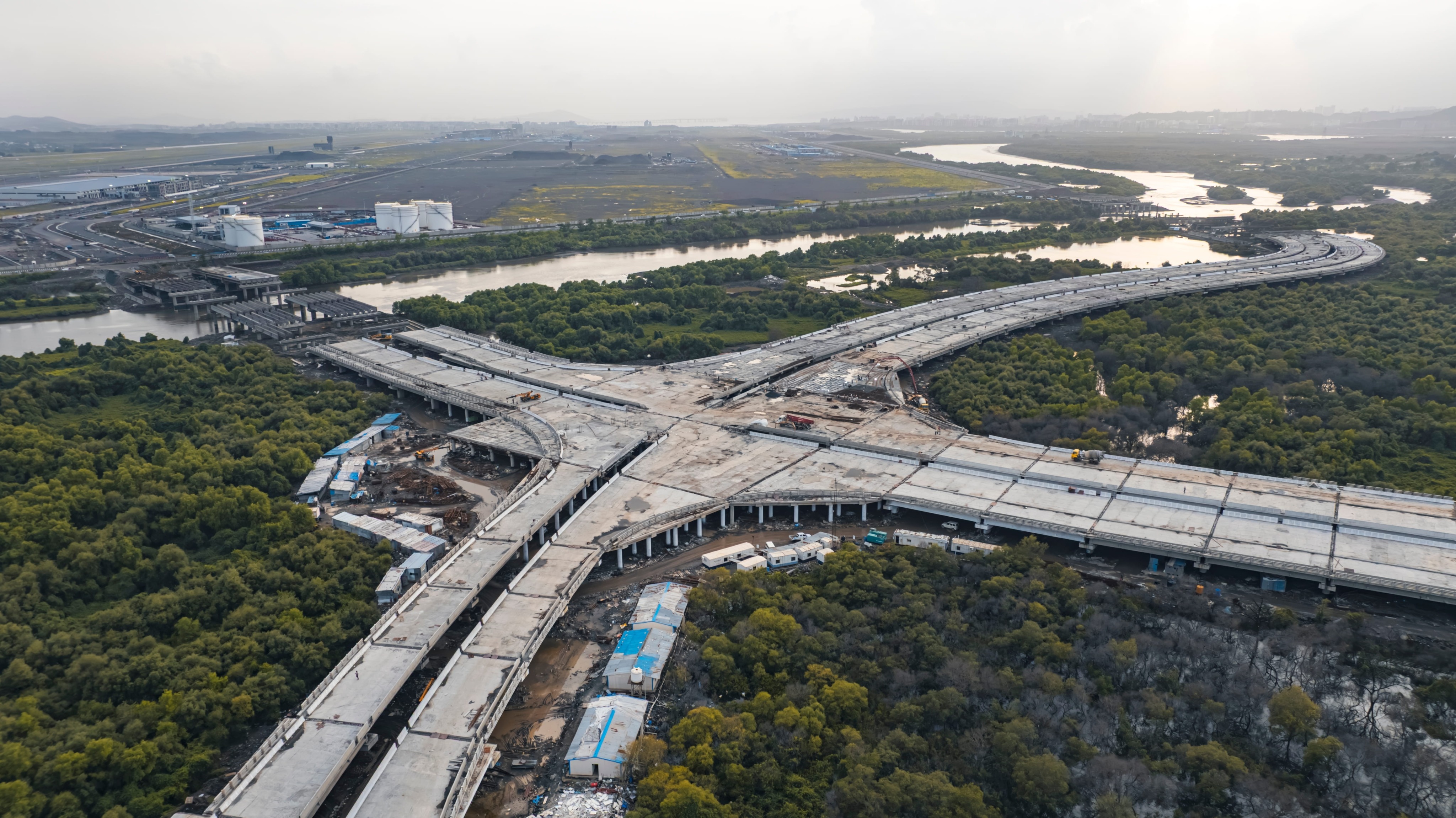
Navi Mumbai International Airport: How It Will Transform Real Estate in Dombivli, Panvel, and the MMR
Dombivli Real Estate Investment in 2026: Why MMRDA's CBD Designation Is a Game-Changer
How Property Prices Appreciate Near Infrastructure Projects: Lessons from Mumbai's Metro Corridors
Why Chembur Is Becoming Mumbai's Most Valuable Mid-City Investment Corridor in 2026
Is Buying a Grade-A Commercial Office Space in BKC a Smart Investment in 2026?
Second Home Investment in Mumbai: Tax Benefits, ROI, and the Best Locations to Consider
How the Mumbai Coastal Road Is Driving Property Price Appreciation in South Mumbai
Navi Mumbai International Airport: How It Will Transform Real Estate in Dombivli, Panvel, and the MMR
Dombivli Real Estate Investment in 2026: Why MMRDA's CBD Designation Is a Game-Changer