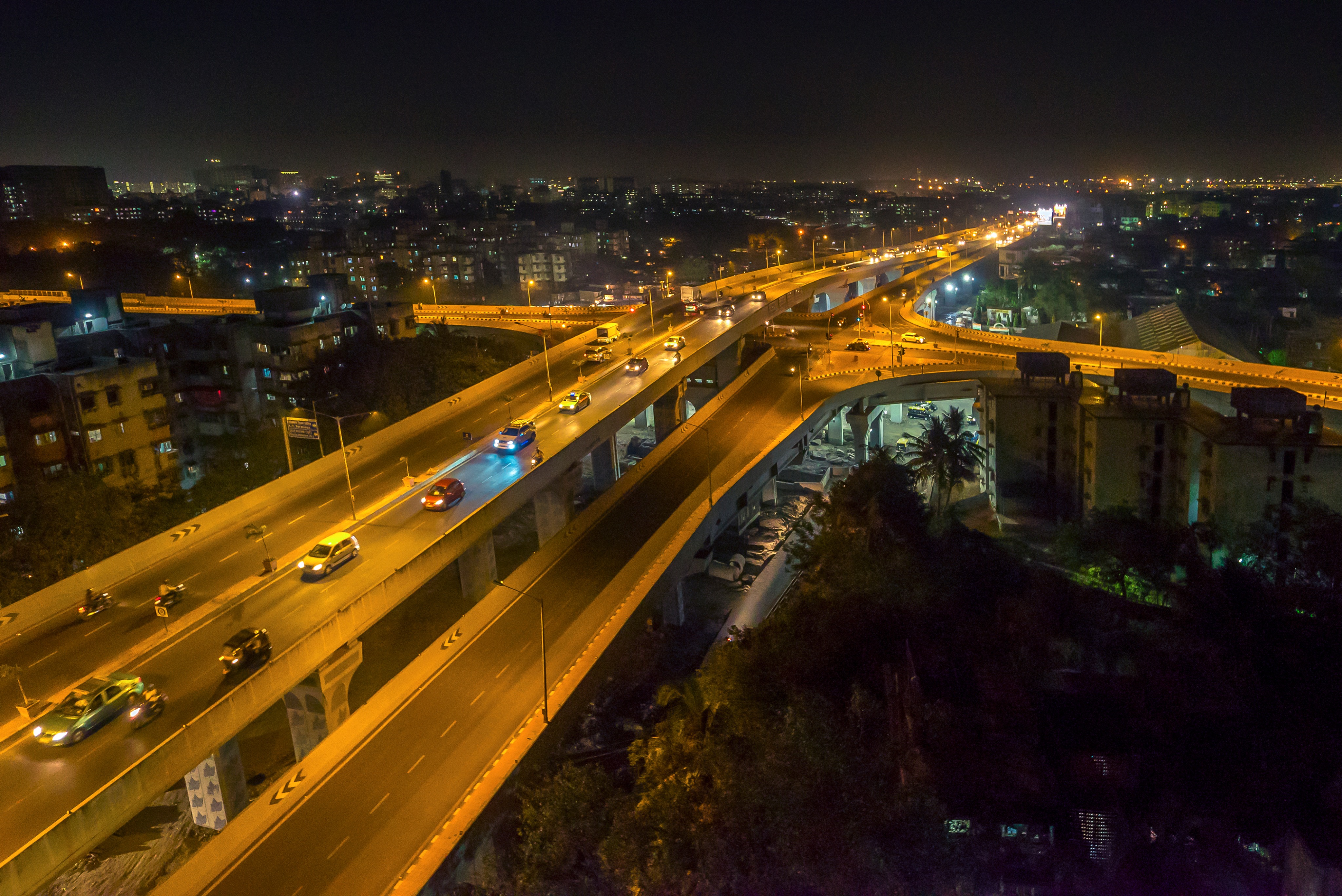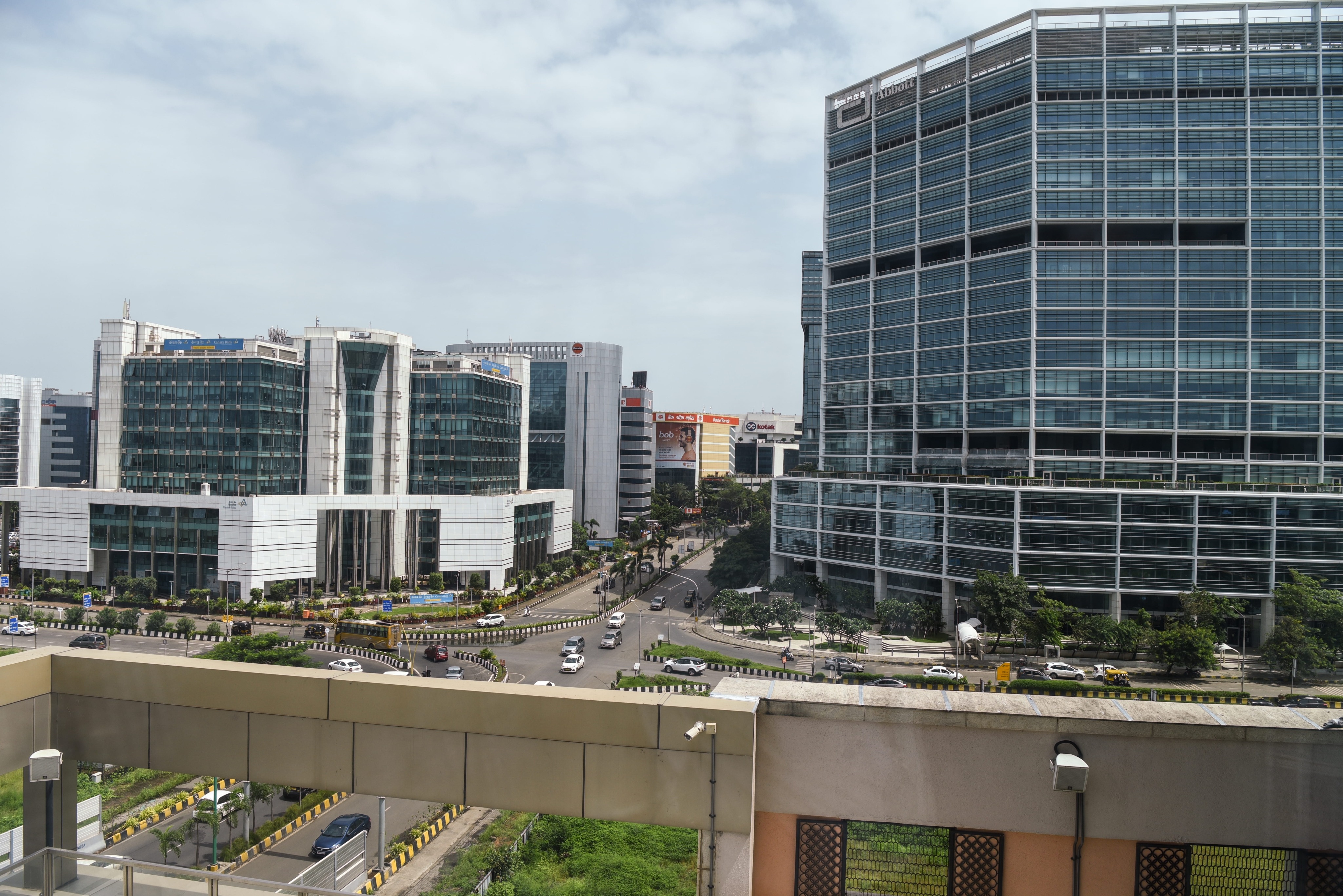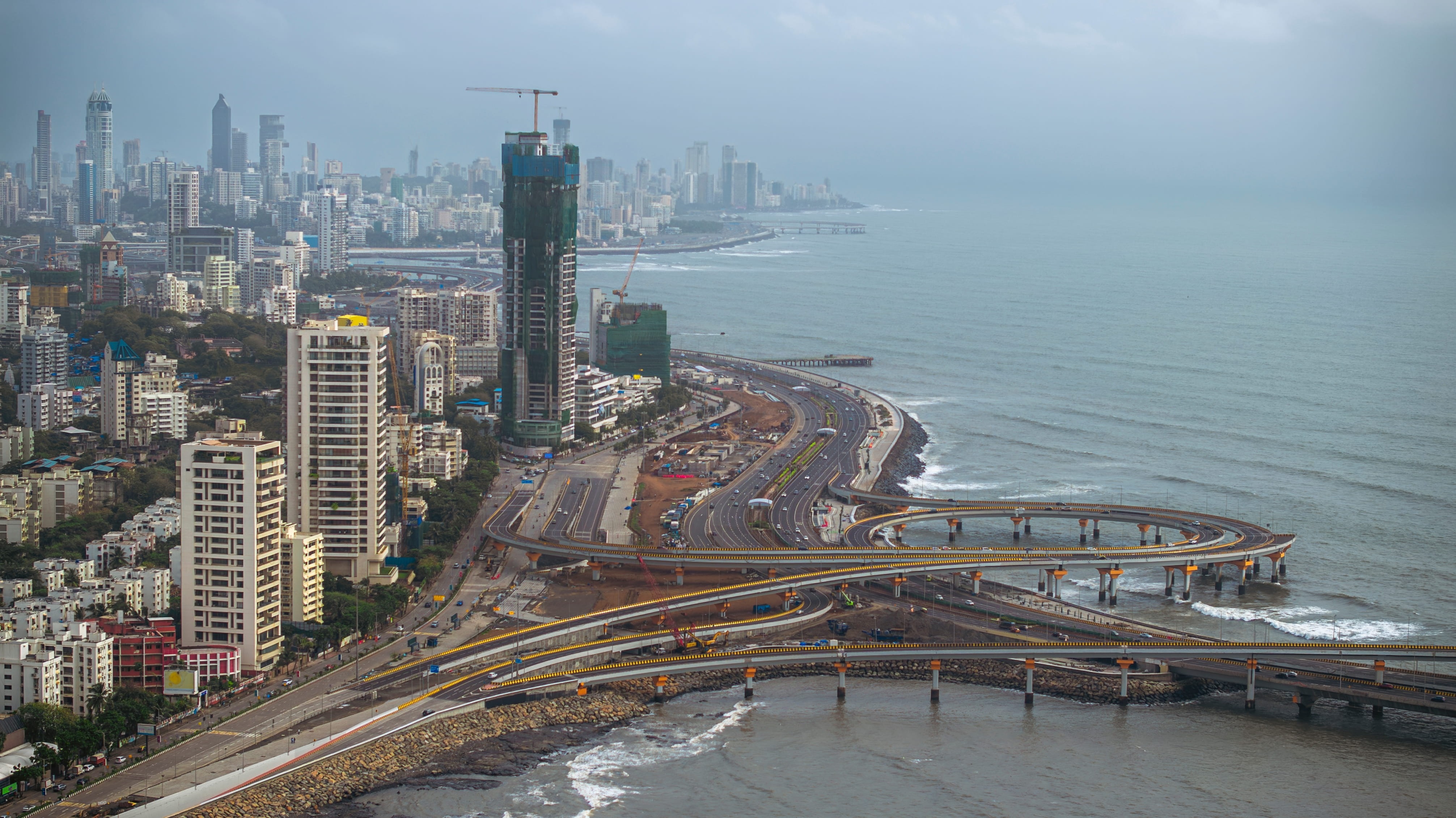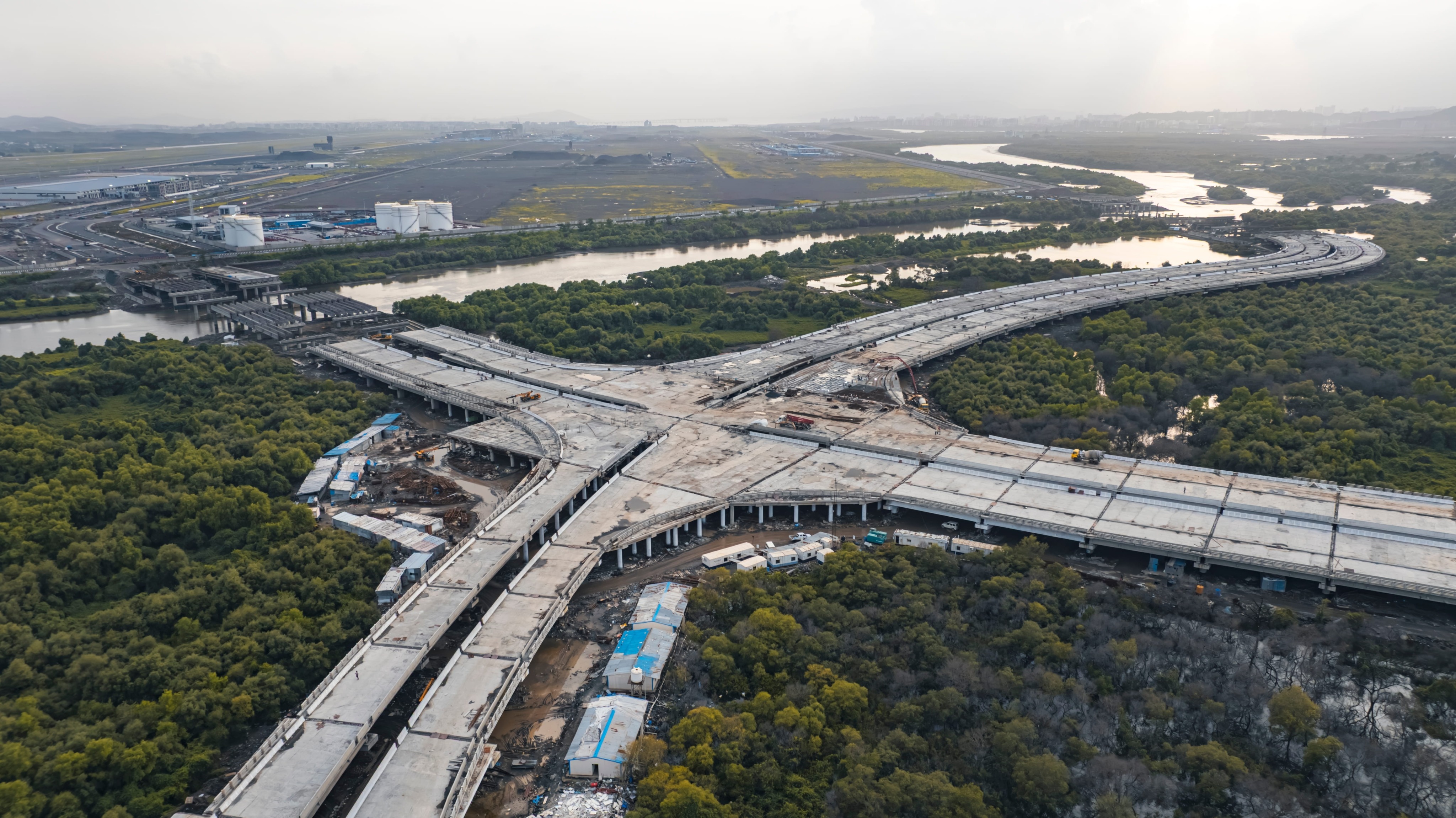

Mumbai's real estate market has always been closely linked to its infrastructure. Better roads, shorter commutes and improved access to employment hubs can change how homebuyers evaluate a location. The proposed Mulund Airoli Bridge is one such infrastructure project, with the potential to improve connectivity between Mumbai's eastern suburbs and Navi Mumbai.
For homebuyers, the project brings an important question to the forefront: how could better connectivity between Mulund and Airoli influence property demand, residential preferences and long-term investment decisions?
Understanding the Mulund Airoli Bridge real estate impact requires looking beyond the bridge itself. Its influence will depend on the surrounding road network, the pace of infrastructure development and how effectively it connects established residential neighbourhoods with major employment centres.
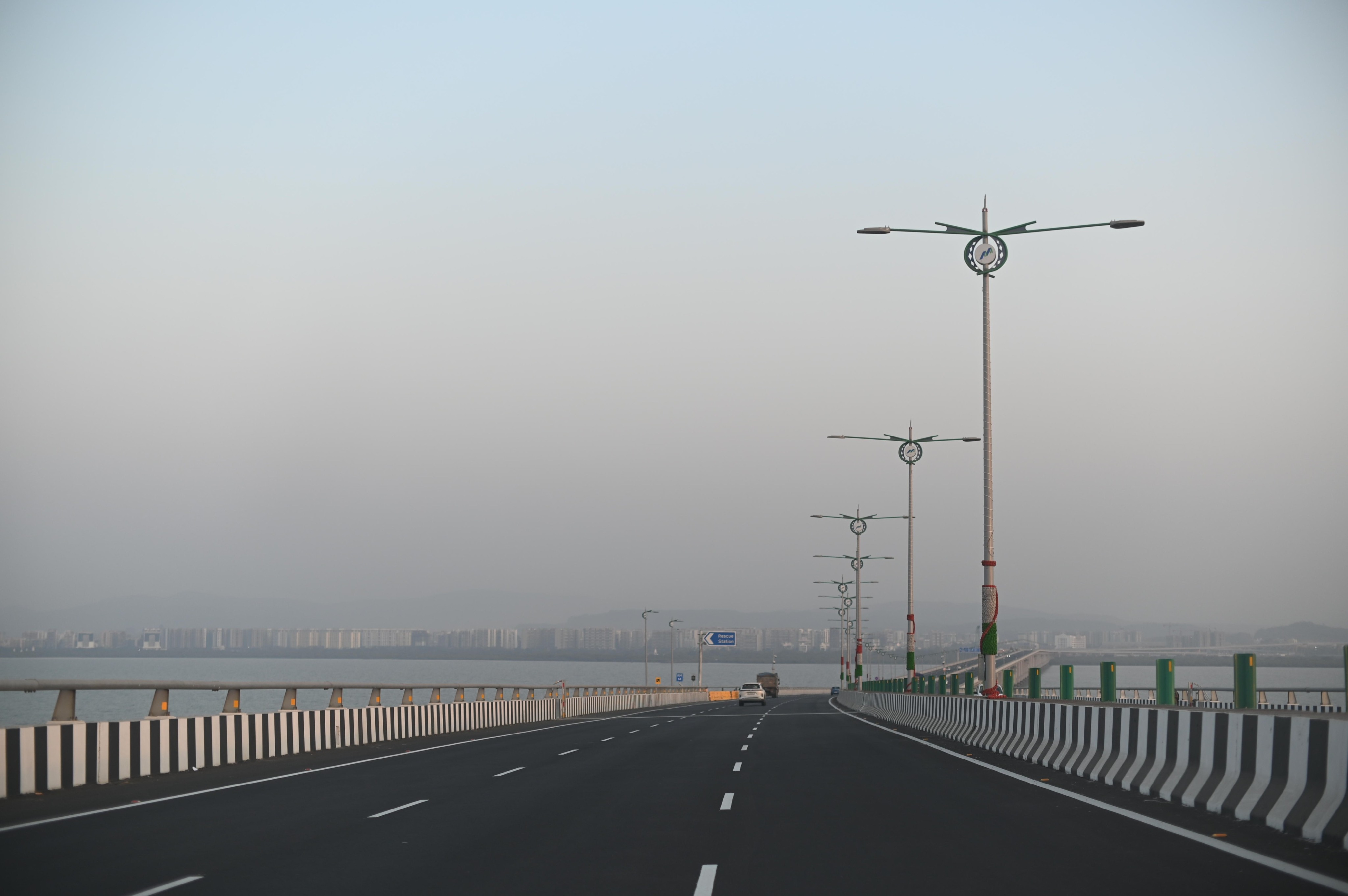
The Mulund Airoli Bridge is part of a larger effort to improve road connectivity across the Mumbai Metropolitan Region (MMR). The existing Mulund-Airoli Creek Bridge provides a direct road connection between Mulund in Mumbai and Airoli in Navi Mumbai, helping commuters cross the Thane Creek.
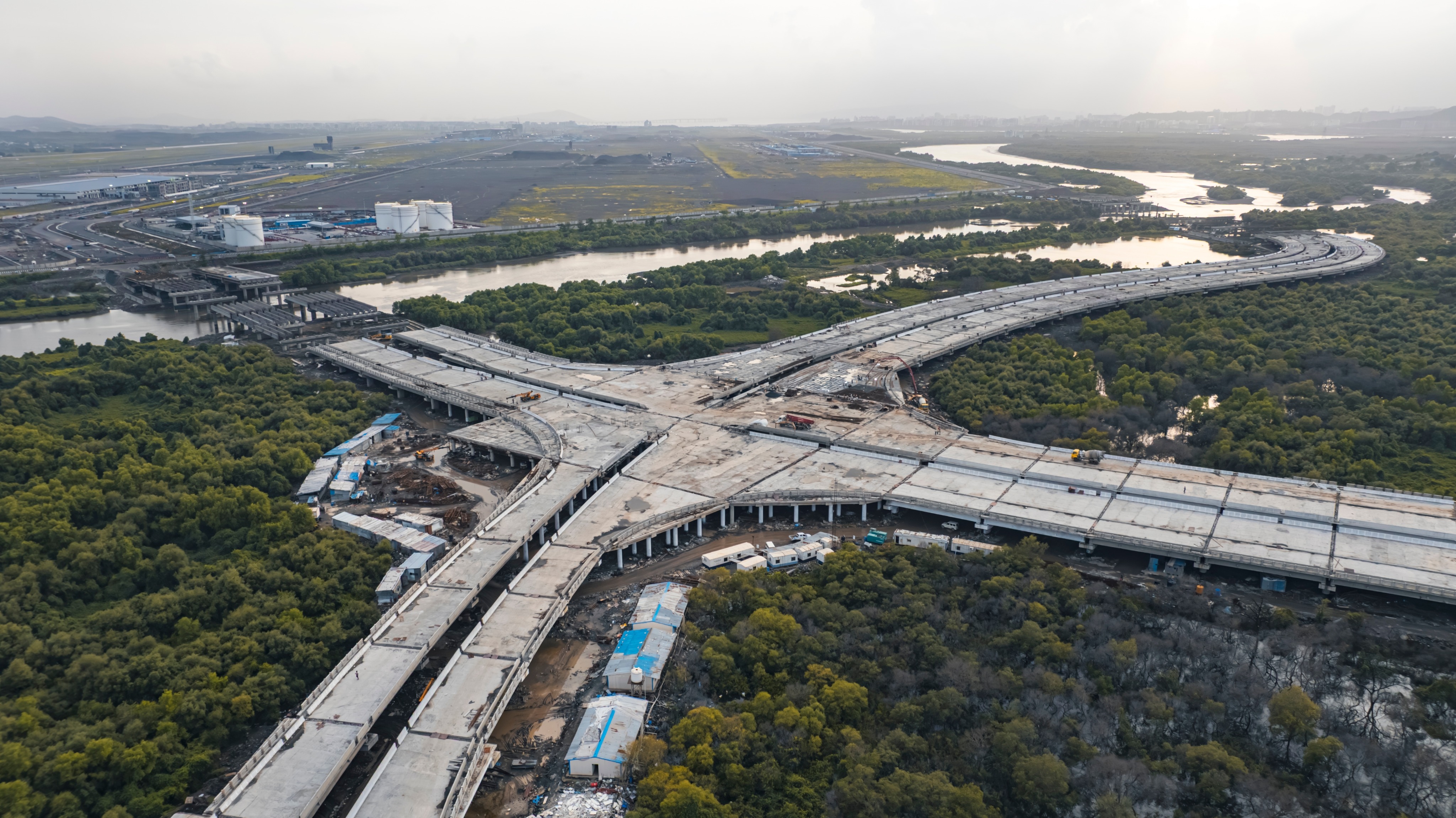
However, the proposed cable-stayed flyover at the Airoli end of the Goregaon-Mulund Link Road (GMLR) is a separate, upcoming infrastructure project. It will connect Nahur with Airoli, improving traffic movement between the Eastern Express Highway, Airoli and Thane.
According to the Brihanmumbai Municipal Corporation's project details, the proposed flyover is approximately 1.33 km long, with a five-lane carriageway in each direction. It is designed to improve traffic flow at the Eastern Express Highway-Airoli junction.
This distinction matters when evaluating the Mulund Airoli Bridge connectivity benefits. The existing creek bridge already supports daily travel, while the upcoming infrastructure is expected to improve traffic movement and strengthen connections to other parts of Mumbai.
For homebuyers, connectivity is not just about the distance between two locations. It is also about how easily they can travel to work, access essential services and manage their daily routines.
The Mulund Airoli Bridge connectivity benefits extend to people travelling between Mumbai and Navi Mumbai for work, education and other everyday needs. A more efficient road network could make it easier for residents to access employment centres in Airoli, Ghansoli and Mahape, while retaining access to Mumbai's established residential and commercial districts.
The proposed GMLR flyover is also expected to improve traffic movement towards Nahur and the Eastern Express Highway. For homebuyers who frequently travel across the eastern suburbs, these improvements could make a meaningful difference to their daily commute.
However, the actual time saved will depend on traffic conditions, the final road configuration and the completion of connecting infrastructure. Homebuyers should consider these factors rather than rely entirely on projected travel times.
Mulund has long attracted homebuyers looking for a balance between urban convenience and residential comfort. Its established social infrastructure, access to the Eastern Express Highway and suburban railway connectivity have supported its position as a residential destination.
The Mulund Airoli Bridge real estate impact could further strengthen this appeal by improving access to Navi Mumbai's employment hubs. Professionals working in Airoli or Mahape may find Mulund a more practical residential option if road travel becomes more predictable.
The Mulund real estate growth potential also extends to neighbourhoods that could benefit from improved access to major roads. However, infrastructure-led demand does not translate into uniform price appreciation across every locality.
For buyers, the key is to assess the actual accessibility of a residential project, rather than assume that every property in Mulund will benefit equally.
The benefits of improved connectivity may vary depending on proximity to the bridge approaches, major roads and existing transport infrastructure.
• Mulund East: Its access to the Eastern Express Highway and Airoli Creek Bridge makes it relevant for buyers commuting towards Navi Mumbai.
• Mulund West: Established residential communities, social infrastructure and access to the wider road network support its appeal to families.
• Nahur: Its proximity to the proposed GMLR flyover makes it a location to monitor as the project progresses.
• Airoli: With established employment centres and access to Mulund, Airoli may continue to attract professionals seeking homes closer to work.
For buyers assessing the Mulund real estate growth potential, these micro-markets offer different combinations of connectivity, housing options and everyday convenience. The right choice depends on individual commuting patterns, budget and residential preferences.
Improved road connectivity can influence commercial real estate by making business districts more accessible to employees, customers and service providers.
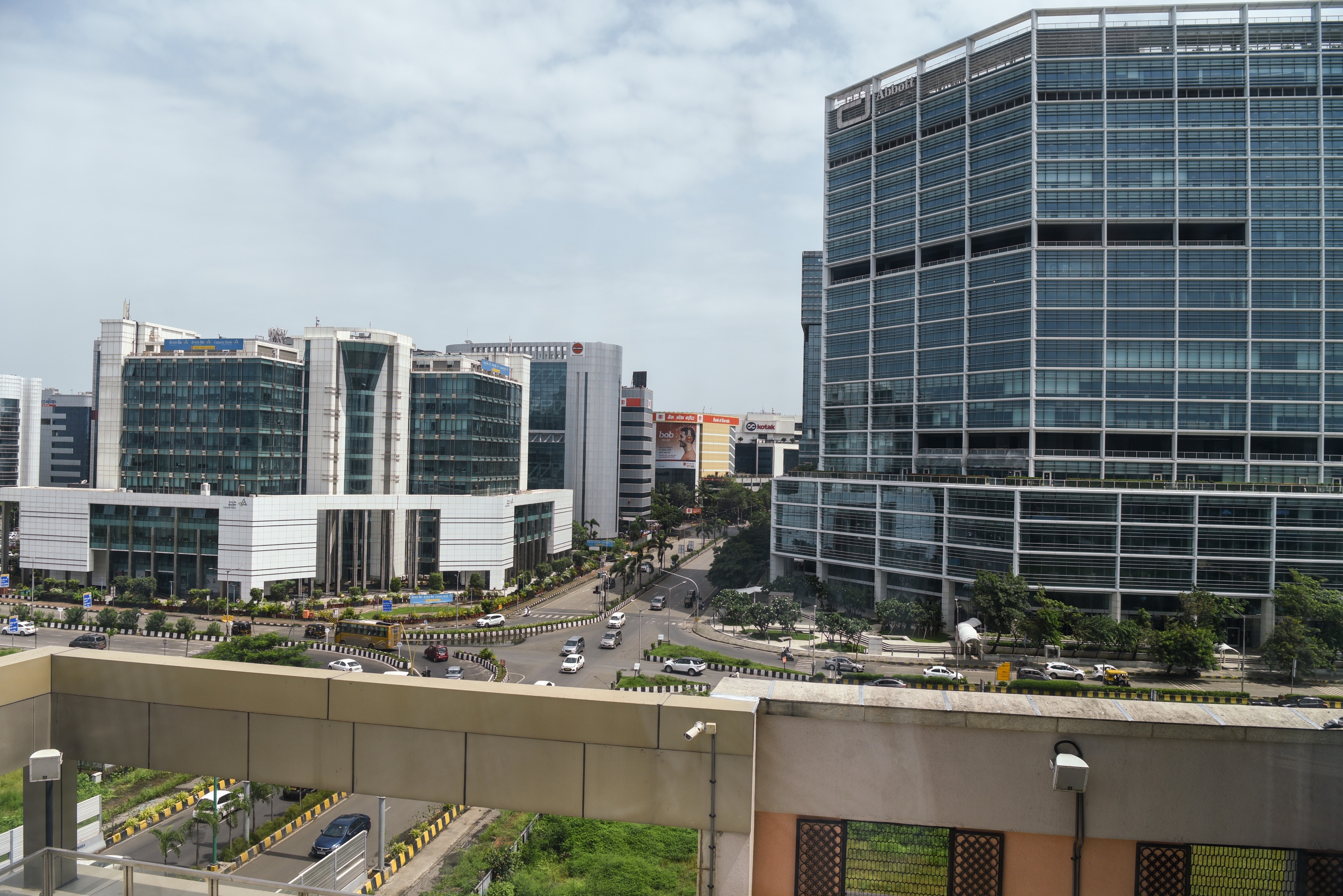
Airoli already has established office and IT infrastructure, while Mulund benefits from its position along key road and rail corridors. Better connectivity could support demand for neighbourhood retail, office spaces and other commercial developments over time.
The Mulund Airoli Bridge real estate impact may therefore extend beyond residential housing. However, commercial growth will also depend on business demand, available space and the broader economic environment.
The Mulund-Airoli connection is part of a broader effort to improve mobility across Mumbai, Thane and Navi Mumbai.
Projects such as the GMLR, Airoli-Katai Naka corridor and Eastern Freeway Extension are intended to strengthen regional road connectivity and reduce pressure on existing routes. The proposed GMLR flyover will also improve movement between Nahur, Airoli, Thane and the Eastern Express Highway.
Together, these projects could influence where people choose to live and work. The Mulund Airoli Bridge connectivity benefits should therefore be viewed in the context of the wider transport network, rather than as an isolated infrastructure upgrade.
For homebuyers, this broader network may offer more flexibility in choosing a home based on both current needs and future accessibility.